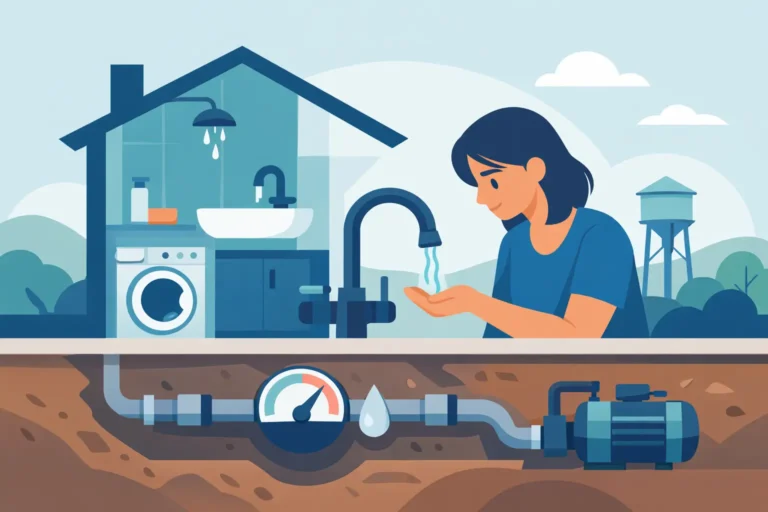

You turn on the shower expecting a steady stream and get a weak trickle instead. Or the kitchen faucet takes forever to rinse a dish, while the washing machine seems to run twice as long as it should. If you are wondering what causes low water pressure, the short answer is that the problem can come from a single fixture, your home’s plumbing system, or even the city water supply.
The real key is figuring out where the pressure drop starts. Some causes are minor and easy to fix. Others point to hidden leaks, failing valves, pipe corrosion, or water supply issues that should not be ignored.
What causes low water pressure in a house?
Low water pressure is usually caused by restriction, leakage, or insufficient supply. That sounds simple, but there are several ways it can happen in a real home or commercial property.
Sometimes the issue is isolated to one faucet or one showerhead. In that case, mineral buildup is often the culprit. Southern California water can leave scale behind over time, especially on faucet aerators and shower nozzles. As those small openings narrow, water flow drops.
If the problem affects multiple fixtures, the cause is often somewhere deeper in the plumbing system. A partially closed shut-off valve, a pressure regulator that is failing, aging galvanized pipes, or a hidden leak can all reduce pressure across the property. In some cases, demand is the issue. If several fixtures are running at once, a home with older piping or an undersized plumbing system may struggle to keep up.
The most common reasons for low water pressure
Clogged aerators and showerheads
This is one of the most common and most overlooked causes. Faucet aerators and showerheads collect sediment and mineral deposits over time. The result is a noticeable drop in flow at one fixture, even when the rest of the house seems normal.
This is usually a straightforward fix. Cleaning or replacing the aerator or showerhead may restore normal pressure quickly. If only one sink or one shower has the problem, it makes sense to start here before assuming something bigger is wrong.
Partially closed valves
Your home’s main water shut-off valve and the water meter valve both need to be fully open for normal pressure. If either one is only partially open, water flow can be restricted throughout the house.
This sometimes happens after plumbing work, leak repairs, or emergency shut-offs. A homeowner may not realize the valve was never returned to the fully open position. It is a simple issue, but it can mimic more serious plumbing problems.
Pressure regulator failure
Many homes have a pressure-reducing valve, also called a pressure regulator, installed where the main water line enters the property. Its job is to keep incoming water pressure at a safe, consistent level.
When this valve starts to fail, pressure can swing too low or too high. Low pressure is the more frustrating version because it affects showers, sinks, hose bibs, and appliances all at once. If the pressure drop happened suddenly across the entire home, a bad regulator is a strong possibility.
Hidden plumbing leaks
A leak does not always announce itself with water stains on the ceiling or puddles under the sink. Some leaks happen behind walls, under slab foundations, or in buried exterior lines. When water escapes before it reaches your fixtures, pressure drops.
Leaks are one of the more urgent explanations for low water pressure because the damage can spread quietly. In addition to pressure changes, you might notice a higher water bill, damp spots, moldy smells, warm areas on the floor, or the sound of running water when everything is turned off.
Corroded or aging pipes
In older homes, especially those with galvanized steel plumbing, corrosion can build up inside the pipe walls and reduce the interior diameter. Water still moves through, but with less volume and weaker pressure.
This problem tends to develop gradually rather than overnight. Homeowners often adapt to it without realizing how much performance the plumbing system has lost. If low pressure has gotten worse year after year, aging pipes may be part of the problem.
Municipal supply issues
Sometimes the issue is not inside your home at all. City water main work, neighborhood demand, hydrant use, or utility maintenance can temporarily reduce available pressure.
This is more likely if your neighbors are experiencing the same problem at the same time. In that case, checking with nearby properties can save you from chasing a plumbing issue that is outside your control.
What causes low water pressure in only one fixture?
When the problem is limited to one sink, one shower, or one appliance connection, the cause is usually local rather than system-wide. A clogged aerator, a blocked supply line, a faulty fixture cartridge, or buildup inside the shut-off valve under the sink are common examples.
Toilet-specific pressure complaints can also be misleading. If a toilet is filling slowly, the problem may be with the fill valve or supply valve rather than overall house pressure. The same idea applies to a refrigerator water dispenser or washing machine. Sometimes what looks like low pressure is really reduced flow caused by a worn component or screen blockage.
That distinction matters because it affects the repair. Replacing one small part is very different from diagnosing a whole-house pressure problem.
When low water pressure is more than an inconvenience
Weak water pressure is easy to shrug off for a while. But there is a point where it becomes a sign of something that needs prompt attention.
If pressure dropped suddenly, if it affects hot and cold water equally, or if it is paired with discoloration, unusual sounds, or signs of leakage, it is worth having the plumbing checked. A hidden leak or failing regulator will not usually correct itself. In fact, the longer it goes on, the more expensive the repair can become.
Commercial properties and rental units have an extra layer of urgency. Low pressure can disrupt tenant satisfaction, cleaning, food service, restrooms, and daily business operations. What feels manageable in a single-family home may create larger problems in a multi-unit or commercial setting.
A few basic checks you can make first
Before calling for service, there are a few reasonable places to look. See whether the problem is affecting one fixture or the whole building. Check if both hot and cold water are weak. Ask a neighbor if they are seeing the same issue. If you know where your main shut-off valve is, confirm that it is fully open.
You can also remove and inspect a faucet aerator if the problem is isolated to one sink. If it is packed with debris, cleaning it may improve flow right away. Just be careful not to force valves or disassemble plumbing parts you are not comfortable handling. A quick check is helpful. Guesswork on a bigger plumbing issue usually is not.
When to call a professional plumber
If simple fixture cleaning does not solve the problem, or if low pressure is happening throughout the property, professional diagnosis is the safest next step. Pressure issues can overlap. A house may have minor mineral buildup at the fixtures and also have a failing regulator or a leak in the main line.
A trained plumber can test pressure levels, inspect valves, check for hidden leaks, and determine whether the issue is isolated or system-wide. That matters because the right repair depends on the actual cause. Replacing fixtures will not help if the problem is in the pressure regulator. Adjusting valves will not solve pipe corrosion. And waiting too long on a leak can turn a repair call into a restoration project.
For homeowners and property managers in Orange County and the Inland Empire, dependable diagnosis is often the difference between a quick fix and an ongoing headache. Companies like Just Right Services see these issues every day, which makes it easier to identify the problem without wasting time or money on the wrong repair.
Low water pressure is frustrating, but it is also useful information. Your plumbing system is telling you that something has changed. The sooner you pin down what causes low water pressure in your home or building, the sooner you can get back to water that works the way it should.