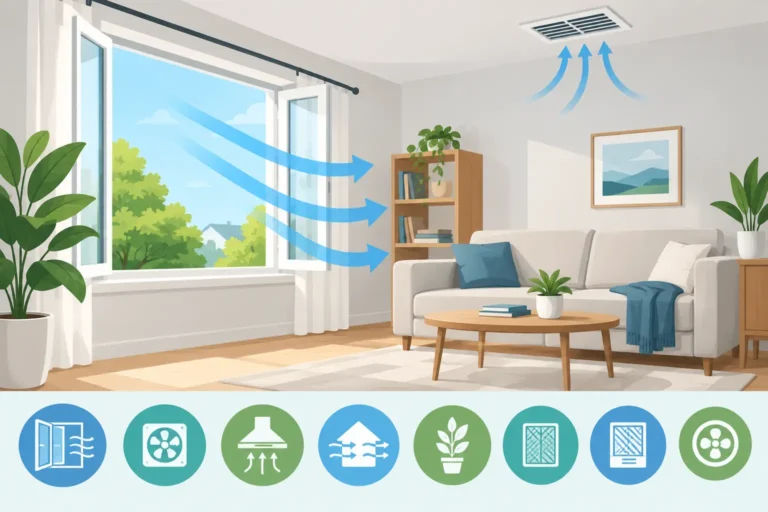

A closed-up Southern California home can feel comfortable right up until it does not. You may notice lingering cooking odors, condensation on windows, a stuffy bedroom, or allergy symptoms that seem worse indoors. To improve home ventilation, the goal is not simply to let more outside air in. It is to remove stale, moisture-heavy air while bringing in fresh air in a controlled way that protects comfort, energy use, and indoor air quality.
Ventilation matters in every season. Coastal communities may deal with cool, damp marine air, while homes in the Inland Empire often stay closed during heat waves, wildfire smoke, or high-pollen days. The right approach depends on your home, its HVAC system, and what is causing the problem.
What Good Home Ventilation Actually Does
Your home constantly collects airborne moisture, odors, and particles. Showers, cooking, laundry, pets, cleaning products, and everyday breathing all add pollutants or humidity to indoor air. Modern homes are often sealed more tightly for energy efficiency, which is good for controlling heating and cooling costs but can leave those contaminants with fewer ways to escape.
Proper ventilation exchanges indoor air with outdoor air or exhausts contaminated air at the source. It can help reduce humidity in bathrooms, clear smoke and odors from kitchens, support more even comfort, and lower the conditions that encourage mold growth.
Ventilation is different from air filtration. A high-quality HVAC filter can capture many airborne particles as air moves through the system, but it does not remove humidity or replace stale indoor air with fresh outdoor air. Many homes benefit from both strategies.
1. Use Bathroom Exhaust Fans Every Time
Bathrooms are one of the biggest moisture sources in a home. A quick shower can create enough humidity to fog mirrors, wet walls, and feed mold growth if that moisture is not exhausted outside.
Run the bathroom fan during a shower and for about 20 minutes afterward. If the fan is loud, weak, or does not seem to pull steam out of the room, it may be undersized, dirty, disconnected, or venting improperly. A fan that dumps moist air into an attic instead of outdoors can create a much larger problem than it solves.
A timer switch is a simple upgrade that helps the fan run long enough without relying on anyone to remember it. For heavily used bathrooms, a humidity-sensing control can be a practical option.
2. Make Sure the Kitchen Hood Vents Outside
Cooking releases heat, grease, moisture, and fine particles into the air. Gas cooking also produces combustion byproducts that should not remain indoors. A range hood is most effective when it captures the cooking plume and vents it outdoors through properly sized ductwork.
Many homes have recirculating hoods that pull air through a filter and release it back into the kitchen. These can reduce some grease and odors, but they do not provide true exhaust ventilation. If you are remodeling or replacing an older hood, an externally vented model is usually the better choice when the layout allows it.
Use the hood whenever you cook, especially when frying, boiling water, searing, or using the oven for extended periods. Start it before cooking rather than waiting for the kitchen to fill with smoke or steam.
3. Open Windows Strategically, Not Automatically
Opening windows is one of the easiest ways to improve home ventilation, but it is not always the right answer. On a mild day, opening windows on opposite sides of the home can create cross-ventilation that clears stale air quickly. A window fan can help move air through a room when natural airflow is limited.
However, keep windows closed when outdoor air quality is poor due to wildfire smoke, heavy traffic pollution, dust, or high pollen levels. During extreme heat, open windows can also increase your cooling load and make the house harder for your air conditioner to manage.
Check local air-quality conditions before relying on open windows. If outdoor air is clean and temperatures are reasonable, a short, intentional airing-out period may be enough. You do not need to leave windows open all day to get the benefit.
4. Keep Supply and Return Vents Clear
Your HVAC system needs unrestricted airflow to heat, cool, and filter your home effectively. Furniture, rugs, curtains, and storage placed over supply registers or return grilles can reduce circulation and create hot, cold, or stuffy areas.
Walk through your home and check every visible vent. Move obstructions away, and avoid closing multiple supply registers in an attempt to force more air into another room. Closing vents can increase pressure in the duct system and may make comfort issues worse.
Return vents deserve special attention. They pull air back to the system to be conditioned and filtered. If a return is blocked, rooms may feel stagnant even when the equipment is running normally.
5. Change Filters and Address Duct Problems
A dirty HVAC filter does not just affect air cleanliness. It restricts airflow, which can make the system work harder and reduce how effectively it circulates air. Check filters regularly and replace them according to the manufacturer’s recommendation and your household conditions. Homes with pets, allergies, frequent construction dust, or high system use may need more frequent changes.
Ductwork can also affect airflow. Leaky ducts may send conditioned air into attics, crawl spaces, or wall cavities instead of the rooms where you need it. Crushed, disconnected, or poorly designed ducts can leave certain rooms consistently stuffy.
Duct cleaning is not a cure-all for every indoor-air complaint, but it can be worthwhile when there is visible buildup, post-renovation debris, pest contamination, or a specific duct cleanliness concern. Duct sealing is often the more meaningful fix when the issue is lost airflow or uneven temperatures.
6. Balance Humidity Before It Becomes a Mold Issue
Ventilation and humidity control work together. In bathrooms, laundry rooms, and kitchens, moisture should be exhausted at the source. Elsewhere, watch for signs that indoor humidity is staying too high: musty odors, peeling paint, condensation, warped wood, or mold around windows and vents.
In Southern California, humidity concerns vary by neighborhood and season. Coastal homes may need more attention during cool, damp periods, while Inland Empire homes may see moisture problems from plumbing leaks, oversized air conditioning equipment, or insufficient bathroom ventilation.
Do not assume the air conditioner will solve every humidity issue. AC removes some moisture while it cools, but a system that is oversized, short-cycling, or not operating correctly may not run long enough to dehumidify well. A professional evaluation can identify whether the source is ventilation, equipment performance, duct leakage, or a hidden plumbing issue.
7. Consider Whole-Home Ventilation for Tightly Sealed Homes
If a home is newer, recently remodeled, or extensively weatherized, natural air leakage may be limited. That can lower energy waste, but it can also make planned ventilation more valuable. Whole-home solutions are designed to bring in and exhaust air at controlled rates rather than relying on random gaps, open windows, or fans running inconsistently.
The right system depends on your climate, home layout, existing HVAC equipment, and comfort priorities. In some homes, an exhaust-only approach is sufficient. Others may benefit from balanced ventilation that manages incoming and outgoing air more deliberately. This is not a one-size-fits-all upgrade, so proper sizing and installation matter.
8. Know When Stale Air Signals a Larger HVAC Problem
A persistent stuffy feeling can be caused by more than a lack of fresh air. Uneven airflow, noisy ducts, rooms that never reach the thermostat setting, frequent allergy symptoms, recurring condensation, or a burning or musty odor when the system runs all deserve attention.
Start with the basics: use exhaust fans, replace the filter, clear vents, and check that windows and doors close properly. If the problem continues, have a qualified HVAC professional inspect the system. An assessment can uncover duct leaks, inadequate return air, improper equipment sizing, failing blower components, or ventilation that does not meet the needs of the home.
For homeowners and property managers across Orange County and the Inland Empire, Just Right Services can evaluate the full picture – ventilation, ductwork, filtration, humidity, and HVAC performance – instead of treating a comfort complaint as a quick fix. Clear recommendations and clean workmanship matter when the air inside your property affects everyone who lives or works there.
Fresh indoor air should not come at the cost of wasted energy or inconsistent comfort. Small habits such as using exhaust fans and changing filters go a long way, while ongoing humidity, odor, or airflow issues are worth investigating before they turn into damage or a larger repair.