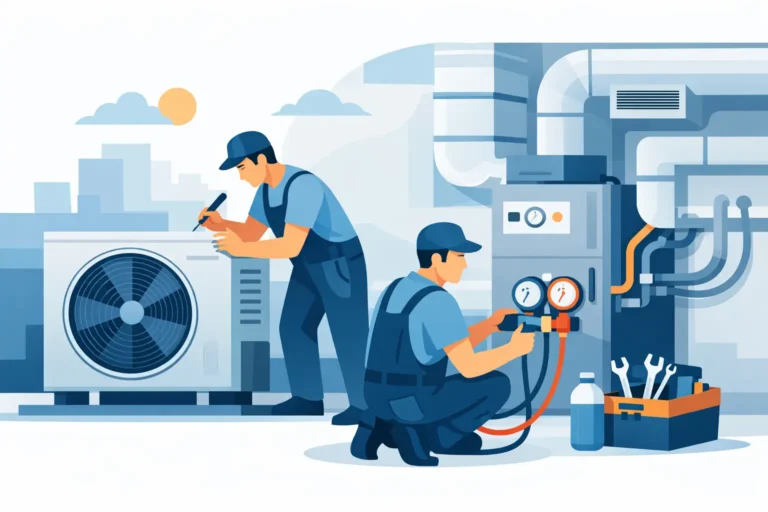
What Do They Do for HVAC Maintenance?
If you have ever scheduled a tune-up and wondered what do they do for HVAC maintenance, you are not alone. A lot of homeowners and property managers know maintenance matters, but they do not always know what happens once the technician opens the panel, checks the thermostat, and starts working through the system. The short answer is this: they inspect, clean, test, adjust, and catch small problems before they turn into expensive breakdowns.
That sounds simple, but a proper maintenance visit is more than a quick filter change. A good technician is looking at how the full system performs together - indoor unit, outdoor unit, airflow, electrical parts, drainage, refrigerant, safety controls, and overall wear. In Southern California, where cooling demand can run hard for long stretches and heating still matters on colder nights, that kind of preventive care can save money and spare you from inconvenient system failures.
What do they do for HVAC maintenance on a service visit?
A professional HVAC maintenance appointment usually starts with a conversation. The technician may ask whether certain rooms run hot or cold, whether your energy bills have changed, or if you have noticed weak airflow, unusual smells, or strange noises. Those details matter because maintenance is not only about checking boxes. It is also about spotting patterns that point to a hidden issue.
From there, the technician typically inspects the thermostat and confirms the system is responding correctly. If the thermostat is off by a few degrees or not communicating well with the equipment, the system may run longer than necessary. That kind of small problem can make a home feel uncomfortable even when the major equipment is still technically working.
The air filter is one of the first items checked. If it is clogged, airflow drops, strain goes up, and dust can build inside the system. Replacing a filter is simple, but its impact is not small. A dirty filter can contribute to frozen coils, reduced efficiency, and poor indoor air quality.
Cleaning and airflow checks
One of the biggest parts of HVAC maintenance is cleaning the components that collect dirt over time. On the cooling side, the evaporator coil and condenser coil are especially important. When coils are coated with dust and debris, they cannot transfer heat efficiently. Your AC then has to work harder to cool the same space.
The outdoor condenser is also checked for leaves, dirt, and blocked airflow around the unit. In many homes, landscaping grows too close, or wind-blown debris gathers near the cabinet. Even if the system still turns on, restricted airflow can reduce performance and increase wear on the compressor.
Inside, the technician may inspect the blower assembly and other airflow-related components. If the blower wheel is dirty, it may move less air than designed. That can lead to uneven temperatures, higher utility bills, and added stress on the equipment. In some homes or commercial spaces, ductwork is also visually evaluated for signs of leaks, damage, or poor airflow.
Why airflow matters so much
People often assume HVAC maintenance is mostly about refrigerant or electrical parts, but airflow is just as important. A perfectly good system can still struggle if air cannot move properly through filters, coils, blowers, and ducts. That is one reason maintenance can improve comfort, not just efficiency.
If certain rooms never seem to cool down or heat up the way they should, maintenance may reveal whether the issue is a dirty component, a duct problem, a thermostat issue, or a system sizing concern. Sometimes the answer is simple. Sometimes it is not. That is why experienced diagnostics matter.
Electrical testing and safety inspection
HVAC systems rely on a long list of electrical components, and these are a major focus during maintenance. Technicians inspect wiring, connections, capacitors, contactors, relays, and motors for signs of wear or overheating. Loose electrical connections can create performance issues and, in some cases, safety risks.
Capacitors and contactors deserve special attention because they often fail with age. These parts may weaken gradually before they stop working altogether. During maintenance, a technician can test them and identify whether they are still operating within an acceptable range. Catching a weak capacitor early is far better than finding out on the first really hot day of summer that the unit will not start.
On heating systems, safety controls are critical. Furnaces are checked for proper ignition, burner performance, heat exchanger concerns, and safe operation. If the system uses gas, technicians look for issues that could affect combustion or ventilation. Not every maintenance visit leads to a repair recommendation, but if a safety-related concern appears, it should not be ignored.
Refrigerant, drainage, and system performance
For air conditioners and heat pumps, refrigerant levels and pressure readings may be checked when needed. Refrigerant is not something that gets used up like fuel. If it is low, that usually means there is a leak or another problem. Maintenance helps spot those issues before low refrigerant causes poor cooling, frozen coils, or compressor damage.
Drainage is another common maintenance item that homeowners do not always think about. The condensate drain line carries away moisture removed from the air. If that line clogs, water can back up, cause overflow issues, or trigger a safety switch that shuts the system down. In humid conditions or during heavy AC use, this becomes especially relevant.
Technicians also measure how the system is operating overall. That can include temperature split, amp draw, cycle behavior, and other performance indicators. These readings help confirm whether the equipment is doing what it should. A system might still be running, but maintenance can show whether it is running efficiently or slowly drifting toward trouble.
What do they do for HVAC maintenance in heating season versus cooling season?
The basic goal is the same year-round - keep the system clean, safe, and efficient - but the details change depending on the equipment and the season.
For cooling maintenance, the focus is usually on coil condition, refrigerant performance, condensate drainage, outdoor unit operation, and strong airflow. This is especially important before Southern California temperatures climb and AC demand increases.
For heating maintenance, attention shifts toward burners, ignition systems, flame sensors, heat exchangers, safety limits, and venting. Heat pumps also need seasonal checks because they handle both heating and cooling and work year-round. Since they do more, regular maintenance becomes even more valuable.
In some properties, especially rentals or commercial buildings, maintenance may also include checking multiple zones, rooftop units, or packaged systems. The process varies based on the setup, but the purpose stays the same: reduce downtime, improve comfort, and avoid preventable repairs.
What maintenance does not do
It helps to be realistic. Maintenance lowers the chance of breakdowns, but it does not guarantee a system will never fail. Parts wear out. Older systems become less reliable. If a unit is nearing the end of its service life, maintenance may keep it going longer, but it will not make old equipment new again.
It is also not a one-size-fits-all service. A newer system under light use may need less corrective work than an older unit running hard in a large home or commercial space. Homes with pets, dust, indoor air quality concerns, or neglected filters often need more attention. That is why a careful technician does more than follow a script.
Why regular HVAC maintenance pays off
The biggest benefit is usually prevention. Many expensive HVAC repairs start as small issues: a weak electrical component, restricted airflow, a dirty coil, a clogged drain, or a minor control problem. Maintenance gives those issues a chance to be found early.
There is also the day-to-day benefit. A maintained system often cools better, heats more evenly, runs more efficiently, and puts less strain on major components. That can mean lower operating costs and fewer surprises during peak weather.
For homeowners, that means comfort and peace of mind. For landlords and property managers, it can mean fewer emergency calls and fewer tenant complaints. For commercial properties, it can mean less disruption to staff, customers, and daily operations.
A dependable maintenance visit should leave you with a clearer picture of your system’s condition, not confusion. At Just Right Services, that customer-first approach matters because people want honest recommendations, clean workmanship, and straightforward answers about what their system needs now versus what can wait.
If you have been asking what do they do for HVAC maintenance, the real answer is that they protect the parts of your comfort system you only notice when something goes wrong. And when that work is done well, your home or business simply feels the way it should.
A lot of HVAC problems do not start with a dramatic breakdown. They start with small warning signs - longer run times, uneven temperatures, higher utility bills, extra dust, or a system that sounds a little louder than it used to. That is exactly why HVAC maintenance is important. It helps catch the quiet issues before they turn into expensive repairs, uncomfortable rooms, or a complete loss of heating or cooling when you need it most.
For homeowners and property managers in Southern California, that matters more than many people realize. Even in areas with milder winters, HVAC systems work hard through long cooling seasons, heat waves, changing indoor air quality conditions, and the constant wear of daily use. Commercial systems often face even more strain because they run longer hours and serve larger spaces. Maintenance is not just a nice extra. It is part of protecting comfort, cost control, and reliability.
Why HVAC maintenance is important for everyday comfort
Most people think about HVAC service when the system stops working. The better time to think about it is before that happens. A well-maintained system heats and cools more evenly, responds faster to thermostat settings, and does a better job handling humidity, airflow, and filtration.
When maintenance gets skipped, performance usually declines in stages. A dirty coil can make your air conditioner less effective. A clogged filter can reduce airflow. A worn part can force the system to run longer than necessary. You may still have some heating or cooling, but the house does not feel quite right. One room is too warm, another stays stuffy, and the system seems to be working harder for worse results.
That kind of gradual decline is easy to ignore, especially when the equipment still turns on. But comfort problems are often the first sign that the system needs attention.
Lower energy bills start with proper upkeep
One of the biggest reasons why HVAC maintenance is important is energy efficiency. Heating and cooling are major contributors to monthly utility costs, and even a small drop in efficiency can show up on your bill.
A system with clean components, correct refrigerant levels, proper electrical performance, and strong airflow does not have to fight as hard to do its job. It can operate closer to the way it was designed to operate. That matters in real dollars over time.
There is some nuance here. Maintenance will not turn an aging, undersized, or poorly installed system into a high-efficiency upgrade. If equipment is at the end of its lifespan, repair and maintenance may improve performance only to a point. Still, regular service gives you the best chance to get efficient operation from the system you already have, and it helps you make better decisions about whether to repair or replace.
Fewer surprise breakdowns, especially in peak season
Emergency HVAC calls often happen during the worst possible weather. In the middle of a summer heat wave or during a cold spell, service demand goes up fast. That can make any breakdown feel even more stressful.
Preventive maintenance lowers the odds of those sudden failures by identifying worn belts, weak capacitors, loose electrical connections, drainage issues, ignition problems, and other trouble spots early. Not every breakdown can be prevented. Some parts fail without much warning. But many no-cool and no-heat calls are tied to conditions that could have been spotted sooner.
That matters for families, but it also matters for landlords, property managers, and business owners. A preventable outage can affect tenant satisfaction, employee comfort, and daily operations. For commercial spaces, downtime is not just inconvenient - it can disrupt the business itself.
Why HVAC maintenance is important for system lifespan
HVAC equipment is a major investment. Whether you have a central air system, heat pump, ductless mini-split, or larger commercial setup, replacement costs are not small. Maintenance helps protect that investment.
When a system runs with restricted airflow, dirty coils, loose parts, or neglected electrical components, it experiences more strain. That added strain can shorten the life of motors, compressors, and other key components. Over time, the wear adds up.
Regular maintenance does not guarantee that a system will last a specific number of years, because usage patterns, installation quality, local climate, and equipment type all play a role. But in general, systems that are maintained properly tend to last longer and perform more consistently than systems that are ignored until they fail.
For property owners trying to plan budgets, that predictability matters. Replacing a unit on your own timeline is very different from replacing one after an unexpected failure.
Better indoor air quality is part of the equation
Many people focus on temperature and forget that HVAC systems also affect the air moving through the building. Filters, ductwork, coils, and blower components all play a role in indoor air quality.
If maintenance is overdue, dust and debris can build up, airflow can suffer, and the system may circulate contaminants more than it should. In some cases, moisture issues can also contribute to odors or microbial growth. That can be especially frustrating for households dealing with allergies, asthma, pets, or frequent dust buildup.
Maintenance alone is not a complete indoor air quality strategy. Some homes and commercial properties benefit from upgraded filtration, duct sealing, air purification, or humidity control. But routine HVAC service is the baseline. If the system itself is not clean and operating properly, indoor air quality accessories can only do so much.
Safety matters too
Why HVAC maintenance is important is not only about comfort and cost. Safety is part of it as well.
Gas furnaces, electrical connections, heat exchangers, condensate systems, and ventilation components should all be checked on a regular basis. A neglected system can create risks ranging from electrical issues to water damage to combustion-related concerns. While not every HVAC system includes gas heating, many do, and those systems should be inspected with care.
This is one reason professional service is worth it. A trained technician is not just cleaning parts. They are looking at system operation as a whole and checking for signs that something is off before it becomes a larger concern.
Maintenance helps you avoid bigger repair bills
Small issues have a habit of turning into larger ones when they are left alone. A clogged drain line can lead to water damage. A failing capacitor can strain the motor. Dirty coils can push the compressor harder than necessary. What starts as a manageable service call can become a more expensive repair if the system keeps operating under stress.
That does not mean maintenance eliminates repair costs. HVAC systems have moving parts, and parts wear out. But maintenance often shifts the situation from emergency repair to planned repair, which is usually easier on your budget and far less disruptive.
For many customers, that predictability is the real value. It is easier to deal with a known issue during a scheduled visit than a total shutdown on a weekend.
What professional HVAC maintenance usually includes
A proper maintenance visit should be more than a quick filter change. Depending on the system, season, and service agreement, technicians typically inspect major components, test performance, clean critical parts, check refrigerant or fuel-related operation, inspect electrical connections, evaluate airflow, and look for signs of wear.
The exact checklist depends on whether the system is residential or commercial, whether it is heating or cooling season, and what type of equipment you have. A heat pump has different service needs than a gas furnace. A rooftop commercial unit has different demands than a ductless system in a single room.
That is why experience matters. The goal is not just to complete a standard checklist. The goal is to understand how the system is performing in the actual building.
When should maintenance be scheduled?
For most systems, twice-a-year service is a smart approach - once before the cooling season and once before the heating season. In Southern California, where air conditioning often does the heavier lifting, spring maintenance is especially useful before high temperatures arrive.
Some properties need more frequent attention. Commercial buildings, homes with pets, high-use systems, older equipment, and rental properties often benefit from closer monitoring. It depends on system age, workload, and how consistent performance needs to be.
If you cannot remember the last time your HVAC system was inspected, that is usually a sign it is time. Just Right Services works with homeowners and businesses across Orange County and the Inland Empire to keep systems reliable before problems become urgent.
Maintenance is not flashy, and it rarely feels urgent when the system is still running. But that is exactly why it is so valuable. A little attention at the right time can save you from a lot of discomfort, cost, and stress later.
A Southern California summer has a way of answering comfort questions fast. When your AC runs for hours in Irvine, Mission Viejo, or Rancho Cucamonga, small problems do not stay small for long. So, is air conditioner maintenance necessary? In most homes and commercial spaces, yes - not as a sales extra, but as a practical way to keep cooling reliable, efficient, and less likely to fail when you need it most.
That does not mean every system needs the same level of service or that maintenance prevents every repair. It does mean routine attention gives your system a much better chance of lasting longer, cooling evenly, and avoiding the kind of breakdown that shows up on the hottest weekend of the year.
Why air conditioner maintenance is necessary for most systems
Air conditioners work hard, and they do it with several parts that depend on each other. Airflow has to stay strong, refrigerant levels have to be correct, electrical connections have to stay secure, and coils have to remain clean enough to transfer heat properly. When one area starts slipping, the entire system pays for it.
A clogged filter is a simple example. It looks minor, but restricted airflow can strain the blower, reduce cooling capacity, and cause the evaporator coil to get too cold. Dirty condenser coils outside can make it harder for the system to release heat, which forces longer run times and higher energy use. A weak capacitor or worn contactor may still let the AC run for a while, but often not for long.
This is why maintenance matters. It catches normal wear before it turns into expensive damage. It also gives homeowners and property managers a clearer picture of whether they are dealing with a quick tune-up, a repair that should happen soon, or a system that may be nearing replacement.
What maintenance actually helps prevent
Many people hear “maintenance” and think it means a technician changes a filter, sprays something down, and leaves. Good service goes further than that. The real value comes from inspection, testing, cleaning, and adjustment.
Routine AC maintenance can help reduce the risk of frozen coils, poor airflow, short cycling, overheating electrical components, blocked condensate drains, and avoidable compressor stress. It can also catch signs of refrigerant issues, failing motors, and dirty components that make the system work harder than it should.
That said, maintenance is not a guarantee against every repair. Parts can still fail without much warning, especially in older systems. But there is a meaningful difference between a surprise failure and a failure that showed warning signs during a professional checkup.
The cost question homeowners really care about
For most customers, the real question is not whether maintenance sounds smart. It is whether the cost is worth it.
Usually, yes. Skipping maintenance often saves a little now and risks much more later. An air conditioner that runs with dirty coils, loose wiring, poor drainage, or weak electrical components usually uses more energy and wears out faster. Even if it keeps cooling, it may do so inefficiently and unevenly, which shows up in utility bills and comfort complaints.
The math changes a bit depending on the age of the system. A newer system often benefits from maintenance because it protects performance and helps catch warranty-related issues early. An older system benefits because it is more vulnerable to wear and more likely to have parts that need close attention. In both cases, routine service is usually cheaper than emergency repairs or premature replacement.
Is air conditioner maintenance necessary if the AC seems fine?
This is where many people wait too long. If the AC is cooling, it is easy to assume everything is fine. But air conditioning systems can lose efficiency slowly, and those changes are easy to miss when they happen over time.
You may notice the house takes longer to cool in the afternoon, or some rooms feel warmer than others. You may hear a slight buzzing outside, see a little more dust indoors, or notice your energy bill climbing even though your habits have not changed. None of those always points to a major problem, but they are exactly the kinds of clues maintenance is designed to catch.
The same applies in commercial spaces. A rooftop unit can keep operating while airflow, controls, or electrical performance are already slipping. Waiting until comfort complaints pile up usually means the repair is bigger, the disruption is worse, and the timing is less convenient.
What a professional AC tune-up should include
A proper maintenance visit should do more than give the system a quick visual once-over. It should involve a careful review of performance and condition.
In most cases, that includes checking thermostat operation, inspecting and tightening electrical connections, testing capacitors and contactors, measuring system performance, clearing the condensate drain, examining blower components, and cleaning the condenser coil as needed. The technician should also inspect the air filter, look for signs of refrigerant issues, and evaluate whether the system is cycling and cooling as expected.
For homeowners, this kind of visit provides peace of mind and useful planning. For landlords and property managers, it helps reduce surprise calls and protect tenant comfort. For commercial clients, it supports uptime and helps avoid service interruptions that can affect staff, customers, or equipment.
Maintenance and indoor air quality
Cooling is only part of the story. Air conditioner maintenance can also affect the air moving through your home or building.
Dirty filters, dust buildup on blower components, moisture around the drain line, and neglected duct issues can all contribute to poorer indoor air quality. In Southern California, where allergens, dry air, and seasonal dust are common concerns, that matters. A clean, well-maintained system does a better job circulating air the way it was designed to.
Maintenance is not a complete indoor air quality solution by itself. If you have duct leakage, heavy dust, humidity concerns, or recurring air quality complaints, you may need additional services. But routine AC service is still part of the foundation.
How often should AC maintenance happen?
For most residential cooling systems, once a year is the standard minimum, ideally before the heavy cooling season begins. If you have a heat pump, use your system heavily year-round, own multiple units, or manage commercial equipment, more frequent service may make sense.
Usage matters. A coastal property in Laguna Beach may face different environmental wear than an inland property in Ontario or Pomona. Homes with pets, renovation dust, or high occupancy may also put more strain on filters and airflow. There is no one-size-fits-all schedule, but there is a clear pattern: systems that are used more, exposed to harsher conditions, or expected to deliver steady performance need more consistent attention.
When maintenance may not be enough
There are times when maintenance is necessary, but not sufficient. If your system is 12 to 15 years old, needs frequent repairs, uses outdated refrigerant, or struggles to cool even after service, maintenance may only buy limited time.
That is not a reason to skip it. It is a reason to use maintenance as a decision point. A good technician should be honest about whether your AC is a solid candidate for continued service or whether you are putting money into a system that is close to the end. The goal should be just-right recommendations, not pressure.
The value of working with the right HVAC team
Maintenance is only as helpful as the people doing it. A rushed visit can miss the very issues that turn into expensive repairs later. A thorough technician does more than clean and leave - they explain what they found, what needs attention now, and what can reasonably wait.
That kind of straightforward service matters whether you are caring for your family home, overseeing a rental property, or responsible for a commercial building. In areas across Orange County and the Inland Empire, customers are not only looking for technical skill. They also want clear communication, clean workmanship, and confidence that the advice they are getting is honest.
At its best, maintenance supports all of that. It keeps your system more dependable, helps control operating costs, and reduces the chance that comfort turns into an emergency call.
If you are wondering whether to put off service for one more season, the better question is simpler: would you rather find a problem during a scheduled visit or during a heat wave when your system stops cooling altogether?
Sticker shock usually happens after the appointment, not before it. A homeowner books a tune-up expecting a quick seasonal check, then starts wondering how much should AC maintenance cost when one company quotes a very low price and another comes in much higher. The truth is, both numbers can be real - but they may not be describing the same level of service.
If you are comparing HVAC companies in Orange County or the Inland Empire, the better question is not just what the price is. It is what you are actually getting for that price, how thorough the visit will be, and whether the maintenance helps you avoid a breakdown when the weather turns hot.
How much should AC maintenance cost for a typical visit?
For a standard residential AC maintenance visit, most homeowners can expect to pay roughly $75 to $250 per system. That is a wide range, but it reflects real differences in service quality, system type, and what is included.
At the lower end, you may be looking at a basic inspection or promotional tune-up designed to get a technician in the door. Sometimes that is fine. Sometimes it covers only a quick visual check, a filter review, and a few performance readings. At the higher end, the visit is often more detailed and may include coil cleaning, electrical testing, drain line service, refrigerant level checks when appropriate, thermostat verification, and a fuller system performance evaluation.
For larger homes with multiple systems, variable-speed equipment, heat pumps, package units, or ductless mini-splits, the price can climb. Commercial maintenance pricing is different again because access, equipment size, and service scope tend to be more complex.
Why AC maintenance prices vary so much
When customers ask how much should AC maintenance cost, they are usually trying to figure out whether a quote is fair. In most cases, price depends on labor time, technician training, local market rates, and the amount of preventive work being done.
A licensed, experienced HVAC company is not pricing the same way as a low-cost operator doing a quick stop between repair calls. Skilled maintenance takes time. The technician should inspect electrical components, test controls, evaluate airflow, check the condenser and evaporator condition, inspect the condensate drain, and look for early signs of wear. That process protects comfort and can catch small issues before they become expensive repairs.
Location matters too. In Southern California, labor and operating costs are often higher than national averages, especially for established service companies that provide trained technicians, scheduling support, insurance coverage, and dependable follow-through.
Then there is the condition of the system itself. An older AC unit that has gone years without service may need more attention than a newer system maintained every season. If heavy cleaning is needed, or if the technician uncovers worn contactors, damaged capacitors, weak airflow, or drainage problems, the total cost may go beyond the tune-up fee.
What should be included in AC maintenance?
The quality of the service matters more than chasing the absolute lowest number. A proper maintenance visit should help improve efficiency, reduce wear, and lower the chance of a mid-season breakdown.
A thorough AC maintenance appointment often includes checking thermostat operation, inspecting electrical connections, measuring voltage and amperage, examining capacitors and contactors, cleaning or assessing condenser coils, inspecting the evaporator coil if accessible, clearing or testing the condensate drain, checking blower components, reviewing filter condition, and confirming that the system is cooling within expected performance ranges.
Not every visit includes every cleaning item at no extra charge, and that is where confusion starts. Some companies advertise a low tune-up price but treat essential tasks as add-ons. Others price the service more honestly from the start. Neither model is automatically wrong, but homeowners should know what is included before booking.
Cheap maintenance is not always a bargain
A very low advertised special can be useful if you simply need a basic seasonal inspection. But if the offer seems too good to be true, it may be just that.
Some low-cost tune-ups are structured as lead generators for repairs or replacements. Again, that does not mean every recommendation is unnecessary. HVAC systems do wear out, and legitimate issues do show up during maintenance. The concern is when a quick, low-price visit creates pressure without giving you confidence that the inspection was complete or the advice was balanced.
Good maintenance should feel transparent. You should understand what was checked, what condition the system is in, and whether any recommended repairs are urgent, preventive, or optional. That kind of communication is worth paying for because it gives you clarity, not just a receipt.
Maintenance plan pricing vs. one-time service
Many companies offer membership or club plans that reduce the cost of routine maintenance. A one-time AC tune-up might cost more upfront than the per-visit rate under an annual plan.
Typical maintenance plans for residential HVAC systems often range from about $150 to $400 per year, depending on how many visits are included and what extra benefits come with the membership. Some plans cover one cooling visit and one heating visit. Others include priority scheduling, repair discounts, waived overtime charges, or longer warranties on qualifying work.
For homeowners who want predictable service and fewer surprises, a maintenance plan can make sense. For landlords and property managers, it can be even more useful because it creates a routine and helps document service history. Still, plans are not automatically the better deal if you rarely use the system, have a newer unit under manufacturer coverage, or prefer to schedule as needed.
When higher maintenance costs can be worth it
Not every expensive tune-up is overpriced. Sometimes it reflects a company doing the job correctly.
If your AC serves a larger home in Irvine, Laguna Niguel, Mission Viejo, or nearby communities where summer comfort matters and utility bills add up fast, a careful maintenance visit can pay off in system performance and peace of mind. The same goes for commercial spaces, where one neglected rooftop unit can affect employees, customers, and operating costs.
Higher maintenance pricing may be justified when the company sends certified technicians, provides a detailed inspection, handles older or specialty systems, or includes more preventive cleaning and testing than a basic visit. That is especially true if the company stands behind its work, communicates clearly, and does not disappear when you need follow-up service.
Red flags when comparing AC maintenance quotes
Price shopping is reasonable. What you want to avoid is comparing unlike services.
If one quote is much lower than another, ask what the technician will actually do, how long the visit usually takes, whether coil cleaning is included, whether drain service is included, and whether the price is per system. Ask if refrigerant checks are part of the appointment and whether any common items carry additional fees. Also ask whether the visit is a true maintenance service or only an inspection.
Be cautious if the company cannot explain its process clearly. Be just as cautious if the quote sounds vague, if there is no mention of licensed technicians, or if the business seems more focused on getting inside the home than on describing the value of the service.
So, what is a fair price?
A fair price for AC maintenance is one that matches the scope of work, the skill level of the technician, and the reliability of the company behind the appointment. For most homeowners, that means expecting something in the $75 to $250 range for a standard residential visit, while understanding that more complex systems or deeper service can cost more.
If you are only looking at the number on the coupon, you may miss the bigger picture. Fair pricing is not the cheapest option. It is the one that gives you a real inspection, honest recommendations, and the best chance of keeping your system running when you need it most.
That is why many local homeowners choose companies with a long track record, strong reviews, and straightforward communication. At Just Right Services, that customer-first approach matters because maintenance should feel preventive and practical, not confusing or sales-driven.
If you are scheduling service this season, ask a few smart questions before you book and make sure the visit is built around value, not just a headline price. A good maintenance appointment should leave you more confident in your system than when you started.
When your AC is running day and night through a Southern California heat wave, small issues do not stay small for long. If you have ever wondered what is included in air conditioner maintenance, the short answer is this: a professional tune-up is meant to keep your system clean, safe, efficient, and less likely to fail when you need it most.
For homeowners, landlords, and property managers, maintenance is not just a box to check. It is a practical way to protect comfort, control energy costs, and avoid the frustration of a breakdown in the middle of summer. A good maintenance visit should feel thorough, not rushed, and it should give you a clear picture of how your system is performing.
What is included in air conditioner maintenance service?
Air conditioner maintenance usually includes inspection, cleaning, testing, and adjustment of the key parts that affect performance. That often starts with the thermostat, because if the control is off, the rest of the system cannot operate the way it should. Your technician will check temperature readings, system response, and whether the unit is cycling properly.
From there, attention shifts to the indoor and outdoor components. On the indoor side, the evaporator coil, blower components, condensate drain, and air filter all play a role in airflow and cooling. On the outdoor side, the condenser coil, fan motor, electrical parts, and refrigerant performance are major priorities. Maintenance is not only about looking for obvious damage. It is about catching wear, buildup, and imbalance before they turn into expensive repairs.
That does not mean every visit is identical. What is included can vary a little depending on the age of the equipment, whether you have a central AC, heat pump, or ductless system, and how heavily the system has been used.
The cleaning work that makes the biggest difference
A large part of AC maintenance is cleaning. Dust, debris, and grime affect system efficiency more than many people realize. When the condenser coil outside gets coated with dirt, the unit has a harder time releasing heat. That can force it to run longer, increase electrical demand, and put more strain on the compressor.
Inside the home, the evaporator coil and blower assembly matter just as much. If these parts are dirty, airflow drops and cooling performance suffers. In some cases, restricted airflow can even contribute to coil freezing. Your technician may clean accessible components, inspect for heavy buildup, and recommend deeper cleaning if conditions call for it.
The condensate drain line is another common maintenance item. Air conditioners remove humidity as they cool, and that moisture has to drain away properly. If the line starts to clog, water can back up and cause leaks, water damage, or system shutoffs. Clearing and checking the drain is a simple step that can prevent a very inconvenient service call later.
Air filters are part of this conversation too. Some homeowners replace filters regularly, while others forget until airflow feels weak. During maintenance, the filter is checked for condition, correct sizing, and whether replacement is needed. A clean filter supports better airflow, helps protect internal components, and can improve indoor air quality.
Electrical and safety checks are a big part of the job
When people think about maintenance, they often picture cleaning first. That matters, but electrical inspection is just as important. Your AC relies on capacitors, contactors, wiring, relays, and connections that experience wear over time. A failing capacitor or loose electrical connection may not be obvious from the thermostat, but it can lead to poor performance or a sudden no-cool call.
During maintenance, a technician will typically inspect electrical components for signs of overheating, corrosion, or deterioration. They may test voltage and amperage readings to make sure motors and other parts are operating within expected ranges. Safety controls should also be checked, because those built-in protections help prevent damage when something goes wrong.
This part of maintenance is especially valuable for older systems. Equipment can keep running while certain parts slowly weaken in the background. Catching those warning signs early gives you more options. Instead of reacting to a breakdown on the hottest day of the year, you can plan a repair on your schedule.
Refrigerant and cooling performance checks
Another key part of what is included in air conditioner maintenance is checking how well the system is actually cooling. That goes beyond asking whether cold air is coming from the vents. A trained technician evaluates temperature split, refrigerant pressures, and overall system operation to see whether performance is where it should be.
Refrigerant is not something that should need routine topping off in a properly sealed system. If levels are low, that usually points to a leak or another issue that needs attention. A maintenance visit helps spot those concerns before they become compressor problems, comfort complaints, or much larger repair bills.
There is some nuance here. Not every system needs invasive refrigerant testing at every appointment, and responsible technicians do not add refrigerant without a reason. Good maintenance is not about selling extras. It is about verifying performance and recommending the next step only when the readings support it.
Airflow, moving parts, and overall system condition
Airflow is one of the biggest drivers of comfort and efficiency, so maintenance should include a close look at how air moves through the system. That means checking the blower, return and supply conditions, and general operation of the indoor unit. If airflow is weak, the cause could be something simple like a clogged filter or something more involved like duct leakage, blower wear, or coil buildup.
Moving parts also need attention. Fan motors and other components may be inspected for wear, unusual noise, or signs that bearings and mechanical parts are struggling. Modern systems vary, so not every unit has the same lubrication or service requirements, but the goal is the same: identify early signs of trouble before they cause a shutdown.
This is also the time to look at the unit as a whole. Is the equipment cabinet in good condition? Is the outdoor unit level and clear of debris? Are there signs of rust, vibration, pest intrusion, or insulation damage on refrigerant lines? These details may seem minor on their own, but together they shape system reliability.
What maintenance does not include
It helps to know what a standard maintenance visit usually does not cover. Full repairs, major part replacement, leak repair, duct reconstruction, and deep coil restoration are generally separate services if a problem is discovered. Maintenance is preventive by design. It is meant to inspect, clean, test, and tune the equipment, not rebuild the system in a single appointment.
That said, a thorough maintenance call should not leave you guessing. If a technician finds a worn capacitor, drainage issue, damaged insulation, or declining motor performance, you should get a clear explanation of the problem, the urgency, and your options. Honest communication matters just as much as the tune-up itself.
Why regular AC maintenance is worth it
The biggest benefit of regular maintenance is reduced risk. No service can guarantee your air conditioner will never fail, especially if the system is older. But maintenance can reduce strain, improve efficiency, and catch developing issues before they become emergencies.
That matters in places like Orange County and the Inland Empire, where cooling systems often work hard for long stretches of the year. A neglected AC may still run, but it usually runs less efficiently and with more wear. Higher utility bills, uneven cooling, short cycling, and surprise repairs often follow.
Routine service can also support better equipment life. When coils stay cleaner, airflow stays stronger, and electrical parts are monitored, the system has a better chance of aging normally. For property owners managing multiple units, that kind of consistency can make budgeting and planning much easier.
How often should air conditioner maintenance be done?
For most systems, once a year is the baseline recommendation, ideally before peak cooling season starts. Homes with pets, heavy AC use, dusty conditions, or indoor air quality concerns may benefit from closer attention. Commercial properties or high-demand systems often need a more customized maintenance schedule.
Older equipment also deserves a little more caution. If your AC is already showing signs of wear, annual service becomes even more valuable because small performance changes can reveal bigger problems on the horizon.
At Just Right Services, the goal of maintenance is simple: help customers stay comfortable without surprises. A quality tune-up should leave you with a cleaner system, a better understanding of its condition, and confidence that your AC is ready for the season ahead.
If you have been putting maintenance off because the system seems to be working fine, this is usually the best time to schedule it. Air conditioners rarely choose a convenient day to ask for help.
A struggling AC system usually gives you a warning before it quits. Maybe the airflow feels weak in the back bedrooms. Maybe the house takes longer to cool in the afternoon. Maybe the energy bill climbs even though your thermostat setting has not changed. If you are wondering how to do air conditioning maintenance, the good news is that a few consistent habits can help your system run cleaner, cooler, and more efficiently.
The key is knowing what you can handle yourself and what should be left to a trained technician. Good maintenance is not about taking the unit apart or guessing your way through electrical components. It is about keeping the system clean, checking the parts homeowners can safely access, and catching small issues before they turn into expensive repairs.
Why air conditioning maintenance matters
In Southern California, air conditioning systems do not get much of a break. Long cooling seasons, dust, coastal air in some neighborhoods, and heavy summer use can all wear a system down faster than homeowners expect. Even a well-built unit can lose efficiency when filters clog, coils get dirty, or the condensate drain starts backing up.
Routine maintenance helps in a few ways at once. It can lower energy use, improve indoor comfort, support better air quality, and reduce strain on major components like the blower motor and compressor. It also gives you a better chance of spotting trouble early, when the fix is usually simpler and less expensive.
That said, maintenance is not a guarantee against every repair. Parts still age. Refrigerant problems still happen. Electrical components can still fail without much warning. The goal is not perfection. The goal is to give your system the best chance to perform reliably when you need it most.
How to do air conditioning maintenance at home
For most homeowners and property managers, the safest approach is basic preventive care plus regular professional service. Start with the simple tasks that make the biggest difference.
Change or inspect the air filter regularly
If you only do one thing, do this. A dirty filter restricts airflow, forces the system to work harder, and can lead to uneven cooling and frozen evaporator coils. In many homes, the filter should be checked every month and replaced every one to three months. Homes with pets, construction dust, wildfire smoke exposure, or heavy AC use may need more frequent changes.
Always match the filter size exactly, and do not assume the highest-rated filter is always the best choice. Some high-MERV filters can restrict airflow in systems not designed for them. If you are unsure, follow the equipment recommendation or ask an HVAC professional what fits your system best.
Keep the outdoor condenser clear
Your outdoor unit needs room to breathe. Leaves, weeds, dirt, and overgrown shrubs can block airflow and trap heat around the condenser. That makes it harder for your AC to release heat, which can reduce efficiency and increase wear.
Turn off power to the unit before cleaning around it. Remove debris from the surrounding area and keep at least two feet of open space when possible. You can gently rinse the exterior fins with a garden hose on a light setting, but do not use a pressure washer. High pressure can bend the fins and do more harm than good.
If the fins already look crushed or heavily impacted with dirt, it is better to have them cleaned professionally.
Check the condensate drain line
Air conditioners pull moisture from indoor air, and that water has to drain somewhere. When the condensate line clogs with algae, sludge, or debris, it can cause water leaks, high humidity, or even system shutdowns in units with safety switches.
If your setup allows access to the drain line, inspect the area around it for standing water or signs of overflow. Some homeowners flush the line carefully with vinegar or warm water, but this depends on the system design. If you are not sure where the drain starts or where it exits, do not force it. Water damage from a bad guess is not worth it.
Clean supply and return vents
Dust buildup on grilles and vents will not usually break the system, but it can affect airflow and indoor air quality. Vacuum the vent covers and make sure furniture, rugs, or curtains are not blocking them. Closed vents can also create airflow imbalance, especially in smaller homes or tightly zoned spaces.
If certain rooms still feel warm after vents are cleared and the filter is changed, the issue may be deeper in the ductwork or the equipment itself.
What not to do during AC maintenance
A lot of online advice makes AC maintenance sound simpler than it is. Some tasks are straightforward. Others involve live voltage, fragile parts, refrigerant, or components that require specialized tools.
Do not open sealed electrical panels, test capacitors, or try to recharge refrigerant yourself. Do not scrape indoor coils or spray random cleaners into the air handler. And do not ignore unusual signs like buzzing, short cycling, burning smells, or ice on the refrigerant line. Those are not maintenance items. They are warning signs.
A common mistake is assuming a system is dirty when the real problem is low refrigerant, a failing blower motor, a faulty contactor, or a thermostat issue. Cleaning alone will not solve those problems.
A seasonal schedule that works
If you want a practical answer to how to do air conditioning maintenance without overcomplicating it, think in seasons.
In spring, check the filter, clear the outdoor unit, inspect visible insulation on refrigerant lines, test the thermostat, and make sure the system starts and cools normally before the hottest weather arrives. During summer, keep an eye on airflow, noise, and drainage. If performance drops during a heat wave, do not wait too long to get it checked. Small issues tend to get worse fast under heavy demand.
In fall, after cooling season slows down, it is a good time to note anything that did not seem right during summer - longer run times, warm spots, higher bills, or extra humidity. Those details help a technician diagnose issues before next season.
When professional maintenance makes the difference
Homeowner maintenance is valuable, but it only covers the surface. A professional AC tune-up goes deeper. A trained technician can inspect electrical connections, test capacitors and contactors, check refrigerant performance, clean coils properly, verify temperature split, examine blower components, and spot wear before it causes a breakdown.
That matters even more for older systems, heat pumps, mini-splits, rooftop commercial units, and properties with multiple zones. In those cases, maintenance is less about convenience and more about protecting a major investment.
It also matters if your AC is still under manufacturer warranty. Some warranties require documented maintenance, and skipping service can create problems later if a major part fails.
For homeowners and businesses across Orange County and the Inland Empire, professional service is often the difference between a system that just runs and one that runs well. At Just Right Services, that means clear communication, honest recommendations, and maintenance that is focused on performance, not pressure.
Signs your AC needs more than maintenance
Sometimes the issue is not overdue upkeep. It is a repair waiting to happen. If your system is blowing warm air, constantly turning on and off, making new noises, leaking water indoors, or tripping breakers, maintenance alone may not fix it.
Age matters too. Once an AC system gets into the 10 to 15 year range, repair costs and efficiency loss can start stacking up. That does not automatically mean replacement, but it does mean every service visit should include an honest conversation about condition, repair history, and long-term value.
The right answer depends on the system, the home, and the budget. A newer unit with a dirty coil may need a thorough tune-up. An older system with repeated refrigerant issues may be nearing the point where replacement makes more financial sense.
The smartest approach is simple and consistent
If you have been asking how to do air conditioning maintenance, think less about one big annual project and more about steady attention. Change the filter. Keep the outdoor unit clear. Watch for drainage issues. Pay attention to airflow and comfort. Then back that up with professional service before peak cooling season.
That kind of routine does not take much time, but it can save you from the stress of losing cooling on the hottest day of the year. And when something does seem off, getting it checked early is usually the most affordable move you can make.
A well-maintained AC system should not have to fight just to keep your home comfortable. Give it the care it needs, and it will usually return the favor when the heat settles in.