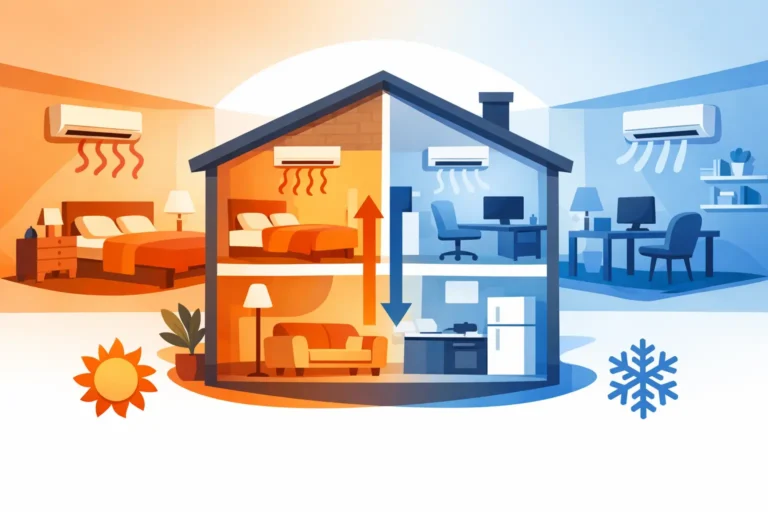

A cool living room and a stuffy upstairs bedroom can make summer feel longer than it needs to. If you are trying to figure out how to fix uneven home cooling, start by recognizing that the problem is not always your air conditioner itself. Airflow, duct condition, thermostat placement, insulation, and the way your family uses each room can all affect comfort.
In Orange County and the Inland Empire, a small cooling imbalance can become a major frustration when temperatures climb. The good news is that some causes are simple to address. Others need a trained HVAC technician to diagnose before they turn into higher energy bills, unnecessary repairs, or a system that wears out early.
Start With the Simple Airflow Checks
Before assuming you need a new AC system, check the areas that most often restrict airflow. These basic steps can improve comfort quickly and help rule out easy-to-fix problems.
Replace a Dirty Air Filter
A clogged air filter makes it harder for your system to move conditioned air throughout the house. The rooms farthest from the indoor equipment often feel the impact first. Depending on the filter type, household occupancy, pets, and local dust, most filters should be checked monthly and replaced regularly.
Do not automatically choose the most restrictive filter on the shelf. High-efficiency filters can be useful for indoor air quality, but the wrong filter for your equipment may reduce airflow. A technician can recommend a filter rating that supports both clean air and proper system performance.
Make Sure Supply and Return Vents Are Open
Walk through the home and inspect every supply vent, especially in rooms that feel warm. Furniture, drapes, rugs, and closed doors can block air from entering or circulating through a room. Open the register fully and make sure air can move freely into the space.
Then look for return vents, which pull air back to the HVAC system. A blocked return can create pressure problems that leave certain rooms uncomfortable. Return grilles should stay clear of furniture and should not be covered or closed.
It may seem logical to close vents in rooms you rarely use, but that can create more problems than it solves. Most central HVAC systems are designed to operate with a specific amount of airflow. Closing too many vents can increase duct pressure, reduce efficiency, and make cooling less balanced elsewhere.
Check Thermostat Settings and Placement
If your thermostat sits near a sunny window, kitchen, hallway, or frequently used exterior door, it may not reflect the temperature in the rooms where you spend the most time. The system shuts off when that location reaches the set temperature, even if bedrooms or upstairs rooms are still warm.
Keep the thermostat away from heat-producing lamps and electronics when possible. If placement is the issue, a professional may suggest relocating it, using compatible remote sensors, or upgrading to a thermostat that averages temperatures from selected rooms.
Why One Part of the House Is Warmer Than Another
Uneven cooling often follows a pattern. Upstairs rooms get hot in the afternoon. A room over the garage never feels comfortable. The master bedroom is warm at night while the rest of the house is chilly. Those patterns offer useful clues.
Heat Gain Is Different From Room to Room
Rooms with west-facing windows, large glass doors, high ceilings, or poor attic insulation absorb more heat than shaded interior rooms. A second floor also collects rising heat from below. Even a properly operating AC system may struggle if the building envelope allows too much summer heat inside.
Start with practical improvements such as closing blinds during the hottest part of the day, sealing visible gaps around windows and doors, and using ceiling fans correctly. In summer, a ceiling fan should rotate counterclockwise to create a downward breeze. Fans do not lower the room temperature, but they can make occupied rooms feel more comfortable, allowing you to avoid lowering the thermostat unnecessarily.
If one room remains consistently hotter, insulation, window performance, or air leakage may be a larger part of the problem. An HVAC evaluation can identify whether the room needs better airflow, better insulation, or both.
Duct Problems Can Starve Rooms of Cool Air
Leaky, disconnected, undersized, or poorly insulated ducts are a common cause of uneven home cooling. Ducts running through a hot attic can lose a surprising amount of cooling before air reaches the supply registers. A loose connection or crushed flexible duct may leave one room with very little airflow at all.
Duct issues are not always visible from inside the home. A professional inspection can check airflow, static pressure, duct sizing, and leakage. Duct sealing or targeted repairs can often improve comfort without replacing the entire HVAC system. If ducts are dirty or contaminated, cleaning may also be recommended, but cleaning alone will not correct a design or leakage problem.
Know When Your AC System Is Part of the Problem
An air conditioner that is struggling can make normal temperature differences much worse. If your system runs for long periods, blows weak air, makes unusual noises, freezes up, or cannot hold the thermostat setting, schedule service rather than continuing to adjust vents and settings.
Low refrigerant, a failing blower motor, a dirty evaporator coil, electrical issues, or a worn capacitor can all affect cooling output and airflow. These are not do-it-yourself repairs. Refrigerant work and electrical diagnostics should be handled by a qualified HVAC professional.
System size matters too, but bigger is not always better. An oversized air conditioner can cool the thermostat area quickly and shut off before circulating air evenly through the house. It may also struggle to remove humidity during more humid periods. An undersized system can run continuously and still fall behind during peak heat.
The right answer depends on your home’s square footage, layout, windows, insulation, ductwork, and local climate. A proper load calculation is more reliable than choosing equipment based only on the size of the existing system.
Better Options for Persistent Hot and Cold Spots
When basic maintenance and duct repairs are not enough, there are several ways to improve comfort. The best solution depends on whether the issue affects one room, one floor, or the entire property.
For a single addition, converted garage, home office, or hard-to-cool bedroom, a ductless mini-split can provide independent temperature control without extending an overloaded duct system. This can be especially practical when running new ducts would be disruptive or expensive.
For multi-story homes, zoning may be worth considering. Zoning uses separate thermostats and controlled dampers to direct cooling where it is needed. It can provide more control, but it must be designed correctly for the existing equipment and duct system. Adding dampers without addressing airflow capacity can create new problems.
In some cases, balancing the ductwork is the answer. During a professional air-balancing service, technicians measure airflow and adjust dampers or recommend changes so each room receives an appropriate share of conditioned air. This is more precise than repeatedly adjusting registers by hand.
Do Not Overlook Maintenance
Cooling systems rarely lose performance all at once. A gradual decline can make uneven temperatures seem like a house-layout problem when maintenance is overdue. Seasonal service gives a technician the chance to inspect electrical components, clean coils as needed, verify refrigerant performance, check drainage, and confirm that airflow is within a healthy range.
For homeowners who want clear answers rather than guesswork, Just Right Services can evaluate the full comfort system – equipment, airflow, ducts, and the conditions inside your home. NATE-certified technicians can help identify the cause and explain practical options, from a repair or duct adjustment to a longer-term upgrade.
A room that is consistently warmer is not something you simply have to live with. Start with the simple checks, pay attention to when and where the problem occurs, and bring in professional help when the issue points to ducts, system performance, or home design. The right correction should make your home more comfortable without asking your air conditioner to work harder than it should.