
Your AC usually gives you fair warning before it quits – higher electric bills, weaker airflow, uneven cooling, or that moment when the house never quite reaches the temperature on the thermostat. Most of the time, those problems trace back to one question: what is AC maintenance, and why does it make such a big difference?
AC maintenance is routine service that keeps your air conditioning system clean, safe, and operating the way it should. It is not the same as a repair. Repairs fix a problem after something breaks. Maintenance is the preventive work that helps reduce wear, catch small issues early, and keep your system running efficiently through long cooling seasons.
For homeowners and business owners in Southern California, that distinction matters. An air conditioner can still turn on and cool the space while slowly losing efficiency or developing strain on key parts. By the time it becomes obvious, you may be dealing with a costly breakdown on a very hot day.
What Is AC Maintenance?
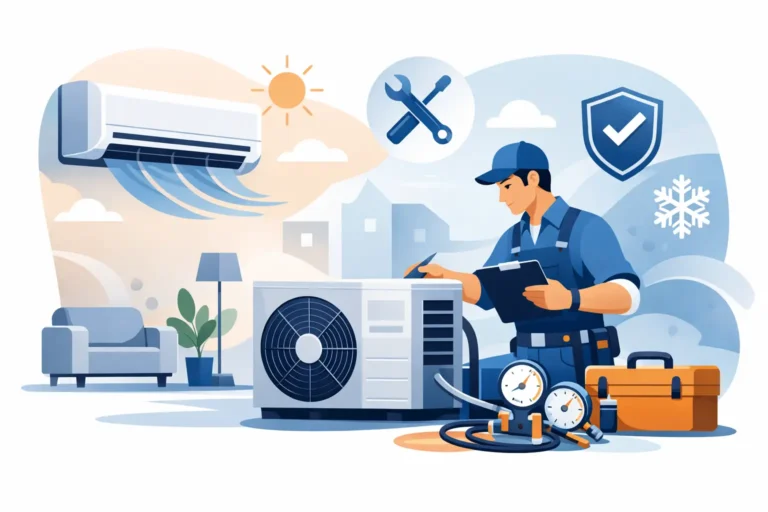
At its core, AC maintenance is a scheduled inspection and tune-up for your cooling system. A trained technician checks the parts that affect performance, airflow, energy use, and reliability. That usually includes cleaning components, testing operation, tightening electrical connections, checking refrigerant conditions, inspecting drainage, and making sure the system is cycling properly.
The exact scope depends on the type of system. A central air conditioner, heat pump, ductless mini-split, or rooftop commercial unit all have different maintenance needs. Even so, the goal stays the same: keep the equipment in good working condition before peak demand exposes weak points.
A well-maintained system is generally quieter, more consistent, and less likely to surprise you with an emergency call. That does not mean maintenance prevents every repair. Some parts wear out with age no matter what. But regular service often helps you avoid preventable issues caused by dirt buildup, loose wiring, clogged drains, or neglected airflow.
What AC Maintenance Usually Includes
A proper maintenance visit should go beyond a quick filter glance. In most cases, the technician will inspect the indoor and outdoor equipment as a complete system.
On the indoor side, that can include checking the evaporator coil, blower components, air filter, thermostat, condensate drain line, and electrical controls. If airflow is restricted, the system has to work harder to move conditioned air through the home or building. That extra strain can shorten equipment life and leave some rooms uncomfortable.
On the outdoor side, maintenance often includes cleaning debris from the condenser area, inspecting the condenser coil, testing capacitors and contactors, checking the fan motor, and verifying that the unit is operating within normal ranges. Outdoor units in particular take a beating from dust, leaves, pollen, and weather exposure.
The technician may also measure temperature differences, inspect visible duct issues, and look for signs of refrigerant problems. Low refrigerant is not a normal maintenance item in the sense that it should simply be topped off every year. If refrigerant is low, that usually points to a leak or another system issue that needs diagnosis.
Why Regular Maintenance Pays Off
The biggest benefit is simple: fewer surprises. Nobody wants an AC failure during a heat wave, especially in a busy household, a rental property, or a commercial space where comfort affects tenants, employees, or customers.
Maintenance also helps with efficiency. When coils are dirty, airflow is restricted, or electrical components are weakening, the system may run longer than necessary to hit the thermostat setting. That wasted effort shows up on your utility bill. Even modest improvements in performance can matter over an entire cooling season.
There is also the comfort factor. A system that is technically still working can still do a poor job. You might notice hot spots upstairs, weak airflow in certain rooms, or humidity that feels harder to control. Maintenance helps identify whether those symptoms are tied to the unit itself, the ductwork, the thermostat, or a broader HVAC issue.
For property owners, regular service can also support planning. If a technician sees signs of an aging compressor, worn contactor, or declining blower motor, you have time to budget and decide what to do next instead of making a rushed decision after a full breakdown.
How Often Should You Schedule AC Maintenance?
For most homes, once a year is the standard recommendation, ideally before heavy summer use. Spring is often the best time because it gives you a chance to address problems before the hottest part of the year.
That said, it depends on the property and the equipment. Homes with pets, high dust levels, older systems, or long cooling seasons may benefit from more attention. Commercial systems often require a more structured maintenance schedule because run times are longer and system demands are higher.
If your system also serves as a heat pump, seasonal service may be even more valuable because the same equipment works year-round. The more often it runs, the more important preventive care becomes.
What Homeowners Can Do Between Visits
Professional service matters, but routine upkeep at home also plays a role. Changing or cleaning the air filter on schedule is one of the most important steps. A clogged filter can affect airflow, indoor comfort, energy use, and system wear all at once.
It also helps to keep the outdoor unit clear of leaves, dirt, and overgrown plants. If the condenser cannot breathe, performance drops. Inside the home, make sure supply and return vents are not blocked by furniture, rugs, or storage.
Still, there is a limit to do-it-yourself maintenance. Electrical testing, refrigerant diagnostics, coil inspection, drain evaluation, and component checks are best left to trained technicians. AC systems have moving parts, high voltage, and pressures that require proper tools and experience.
Signs Your AC May Be Overdue for Maintenance
If your energy bill has crept up without a clear reason, that is one sign. If the system runs longer than it used to, struggles in the afternoon, or cools unevenly, that is another. Strange noises, musty smells, weak airflow, and frequent cycling also suggest the unit needs attention.
Sometimes the sign is simply age and neglect. If you cannot remember the last time your system was professionally serviced, there is a good chance it is overdue.
Ignoring those signals can turn a maintenance issue into a repair issue. A clogged drain line can lead to water damage. A failing capacitor can leave the system unable to start. Dirty coils can contribute to overheating and added strain on expensive parts.
Is AC Maintenance Worth It for Newer Systems?
Yes, and in some cases it matters even more than owners expect. Newer systems are efficient and advanced, but they are not maintenance-free. In fact, tighter performance tolerances and more sensitive components make proper service important.
Many manufacturers also expect routine maintenance as part of responsible ownership. While warranty terms vary, neglect is never helpful if a claim issue comes up later.
A newer unit may not need repairs for years, but that is exactly when maintenance is most useful. Keeping the system clean and properly adjusted from the start can help protect efficiency and support a longer service life.
What Is AC Maintenance for Commercial Properties?
For commercial buildings, AC maintenance is not just about comfort. It can affect operating costs, tenant satisfaction, equipment uptime, and business continuity. A small airflow problem in a home is frustrating. In an office, retail space, or multi-tenant property, it can become a larger operational headache fast.
Commercial maintenance often involves rooftop units, zoning controls, larger duct systems, or multiple pieces of equipment serving different areas. That means service needs to be consistent, documented, and timed around building use when possible.
For landlords and property managers, preventive maintenance also helps reduce emergency calls and extend the life of expensive assets. That is one reason many owners prefer an ongoing service relationship instead of waiting for failures.
Choosing the Right AC Maintenance Provider
Not every tune-up is equal. A thorough maintenance visit should be clear, professional, and focused on the condition of the full system, not just a quick once-over. You want a company that explains what was checked, what looks good, and what may need attention soon.
Experience matters here. So does communication. Whether you are caring for a family home in Irvine, a rental in Mission Viejo, or a commercial property in Ontario, the right provider should help you understand your options without pressure.
That is where a trusted local company makes a difference. Just Right Services has built its reputation around dependable service, honest recommendations, and the kind of follow-through customers need when comfort systems are too important to leave to chance.
AC maintenance is not flashy, and that is exactly the point. It is the steady, practical service that helps your system keep doing its job when you need it most. A little attention at the right time can save a lot of discomfort later.