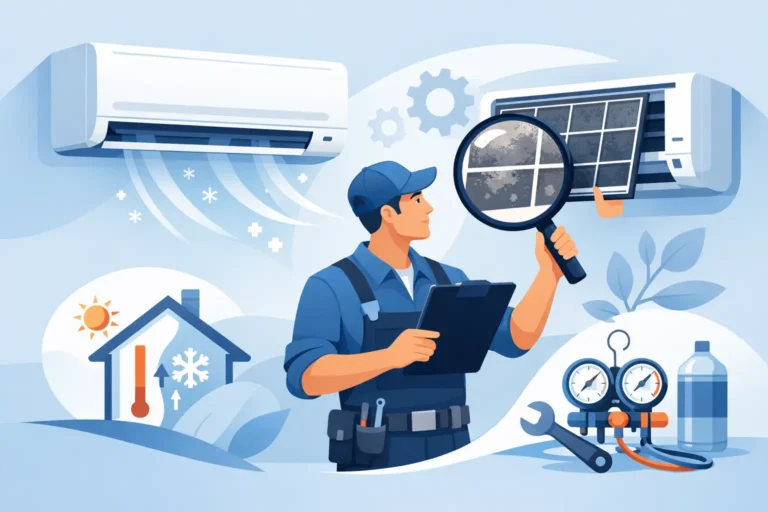

A Southern California summer has a way of answering comfort questions fast. When your AC runs for hours in Irvine, Mission Viejo, or Rancho Cucamonga, small problems do not stay small for long. So, is air conditioner maintenance necessary? In most homes and commercial spaces, yes – not as a sales extra, but as a practical way to keep cooling reliable, efficient, and less likely to fail when you need it most.
That does not mean every system needs the same level of service or that maintenance prevents every repair. It does mean routine attention gives your system a much better chance of lasting longer, cooling evenly, and avoiding the kind of breakdown that shows up on the hottest weekend of the year.
Why air conditioner maintenance is necessary for most systems
Air conditioners work hard, and they do it with several parts that depend on each other. Airflow has to stay strong, refrigerant levels have to be correct, electrical connections have to stay secure, and coils have to remain clean enough to transfer heat properly. When one area starts slipping, the entire system pays for it.
A clogged filter is a simple example. It looks minor, but restricted airflow can strain the blower, reduce cooling capacity, and cause the evaporator coil to get too cold. Dirty condenser coils outside can make it harder for the system to release heat, which forces longer run times and higher energy use. A weak capacitor or worn contactor may still let the AC run for a while, but often not for long.
This is why maintenance matters. It catches normal wear before it turns into expensive damage. It also gives homeowners and property managers a clearer picture of whether they are dealing with a quick tune-up, a repair that should happen soon, or a system that may be nearing replacement.
What maintenance actually helps prevent
Many people hear “maintenance” and think it means a technician changes a filter, sprays something down, and leaves. Good service goes further than that. The real value comes from inspection, testing, cleaning, and adjustment.
Routine AC maintenance can help reduce the risk of frozen coils, poor airflow, short cycling, overheating electrical components, blocked condensate drains, and avoidable compressor stress. It can also catch signs of refrigerant issues, failing motors, and dirty components that make the system work harder than it should.
That said, maintenance is not a guarantee against every repair. Parts can still fail without much warning, especially in older systems. But there is a meaningful difference between a surprise failure and a failure that showed warning signs during a professional checkup.
The cost question homeowners really care about
For most customers, the real question is not whether maintenance sounds smart. It is whether the cost is worth it.
Usually, yes. Skipping maintenance often saves a little now and risks much more later. An air conditioner that runs with dirty coils, loose wiring, poor drainage, or weak electrical components usually uses more energy and wears out faster. Even if it keeps cooling, it may do so inefficiently and unevenly, which shows up in utility bills and comfort complaints.
The math changes a bit depending on the age of the system. A newer system often benefits from maintenance because it protects performance and helps catch warranty-related issues early. An older system benefits because it is more vulnerable to wear and more likely to have parts that need close attention. In both cases, routine service is usually cheaper than emergency repairs or premature replacement.
Is air conditioner maintenance necessary if the AC seems fine?
This is where many people wait too long. If the AC is cooling, it is easy to assume everything is fine. But air conditioning systems can lose efficiency slowly, and those changes are easy to miss when they happen over time.
You may notice the house takes longer to cool in the afternoon, or some rooms feel warmer than others. You may hear a slight buzzing outside, see a little more dust indoors, or notice your energy bill climbing even though your habits have not changed. None of those always points to a major problem, but they are exactly the kinds of clues maintenance is designed to catch.
The same applies in commercial spaces. A rooftop unit can keep operating while airflow, controls, or electrical performance are already slipping. Waiting until comfort complaints pile up usually means the repair is bigger, the disruption is worse, and the timing is less convenient.
What a professional AC tune-up should include
A proper maintenance visit should do more than give the system a quick visual once-over. It should involve a careful review of performance and condition.
In most cases, that includes checking thermostat operation, inspecting and tightening electrical connections, testing capacitors and contactors, measuring system performance, clearing the condensate drain, examining blower components, and cleaning the condenser coil as needed. The technician should also inspect the air filter, look for signs of refrigerant issues, and evaluate whether the system is cycling and cooling as expected.
For homeowners, this kind of visit provides peace of mind and useful planning. For landlords and property managers, it helps reduce surprise calls and protect tenant comfort. For commercial clients, it supports uptime and helps avoid service interruptions that can affect staff, customers, or equipment.
Maintenance and indoor air quality
Cooling is only part of the story. Air conditioner maintenance can also affect the air moving through your home or building.
Dirty filters, dust buildup on blower components, moisture around the drain line, and neglected duct issues can all contribute to poorer indoor air quality. In Southern California, where allergens, dry air, and seasonal dust are common concerns, that matters. A clean, well-maintained system does a better job circulating air the way it was designed to.
Maintenance is not a complete indoor air quality solution by itself. If you have duct leakage, heavy dust, humidity concerns, or recurring air quality complaints, you may need additional services. But routine AC service is still part of the foundation.
How often should AC maintenance happen?
For most residential cooling systems, once a year is the standard minimum, ideally before the heavy cooling season begins. If you have a heat pump, use your system heavily year-round, own multiple units, or manage commercial equipment, more frequent service may make sense.
Usage matters. A coastal property in Laguna Beach may face different environmental wear than an inland property in Ontario or Pomona. Homes with pets, renovation dust, or high occupancy may also put more strain on filters and airflow. There is no one-size-fits-all schedule, but there is a clear pattern: systems that are used more, exposed to harsher conditions, or expected to deliver steady performance need more consistent attention.
When maintenance may not be enough
There are times when maintenance is necessary, but not sufficient. If your system is 12 to 15 years old, needs frequent repairs, uses outdated refrigerant, or struggles to cool even after service, maintenance may only buy limited time.
That is not a reason to skip it. It is a reason to use maintenance as a decision point. A good technician should be honest about whether your AC is a solid candidate for continued service or whether you are putting money into a system that is close to the end. The goal should be just-right recommendations, not pressure.
The value of working with the right HVAC team
Maintenance is only as helpful as the people doing it. A rushed visit can miss the very issues that turn into expensive repairs later. A thorough technician does more than clean and leave – they explain what they found, what needs attention now, and what can reasonably wait.
That kind of straightforward service matters whether you are caring for your family home, overseeing a rental property, or responsible for a commercial building. In areas across Orange County and the Inland Empire, customers are not only looking for technical skill. They also want clear communication, clean workmanship, and confidence that the advice they are getting is honest.
At its best, maintenance supports all of that. It keeps your system more dependable, helps control operating costs, and reduces the chance that comfort turns into an emergency call.
If you are wondering whether to put off service for one more season, the better question is simpler: would you rather find a problem during a scheduled visit or during a heat wave when your system stops cooling altogether?