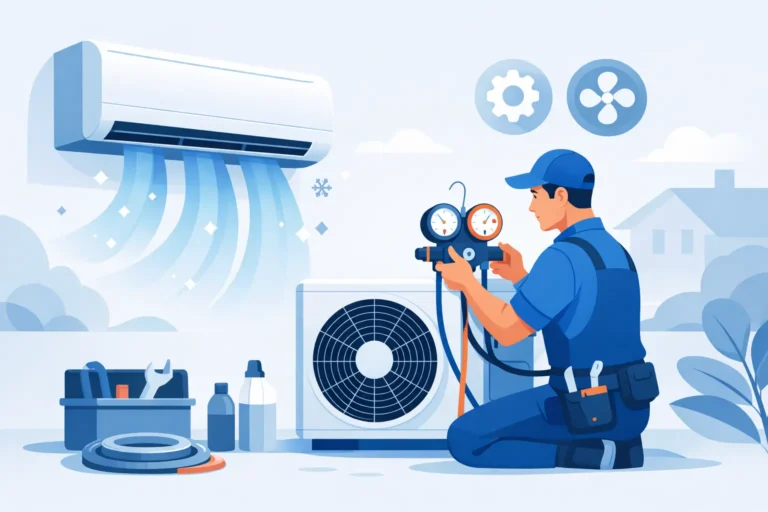

A struggling AC system usually gives you a warning before it quits. Maybe the airflow feels weak in the back bedrooms. Maybe the house takes longer to cool in the afternoon. Maybe the energy bill climbs even though your thermostat setting has not changed. If you are wondering how to do air conditioning maintenance, the good news is that a few consistent habits can help your system run cleaner, cooler, and more efficiently.
The key is knowing what you can handle yourself and what should be left to a trained technician. Good maintenance is not about taking the unit apart or guessing your way through electrical components. It is about keeping the system clean, checking the parts homeowners can safely access, and catching small issues before they turn into expensive repairs.
Why air conditioning maintenance matters
In Southern California, air conditioning systems do not get much of a break. Long cooling seasons, dust, coastal air in some neighborhoods, and heavy summer use can all wear a system down faster than homeowners expect. Even a well-built unit can lose efficiency when filters clog, coils get dirty, or the condensate drain starts backing up.
Routine maintenance helps in a few ways at once. It can lower energy use, improve indoor comfort, support better air quality, and reduce strain on major components like the blower motor and compressor. It also gives you a better chance of spotting trouble early, when the fix is usually simpler and less expensive.
That said, maintenance is not a guarantee against every repair. Parts still age. Refrigerant problems still happen. Electrical components can still fail without much warning. The goal is not perfection. The goal is to give your system the best chance to perform reliably when you need it most.
How to do air conditioning maintenance at home
For most homeowners and property managers, the safest approach is basic preventive care plus regular professional service. Start with the simple tasks that make the biggest difference.
Change or inspect the air filter regularly
If you only do one thing, do this. A dirty filter restricts airflow, forces the system to work harder, and can lead to uneven cooling and frozen evaporator coils. In many homes, the filter should be checked every month and replaced every one to three months. Homes with pets, construction dust, wildfire smoke exposure, or heavy AC use may need more frequent changes.
Always match the filter size exactly, and do not assume the highest-rated filter is always the best choice. Some high-MERV filters can restrict airflow in systems not designed for them. If you are unsure, follow the equipment recommendation or ask an HVAC professional what fits your system best.
Keep the outdoor condenser clear
Your outdoor unit needs room to breathe. Leaves, weeds, dirt, and overgrown shrubs can block airflow and trap heat around the condenser. That makes it harder for your AC to release heat, which can reduce efficiency and increase wear.
Turn off power to the unit before cleaning around it. Remove debris from the surrounding area and keep at least two feet of open space when possible. You can gently rinse the exterior fins with a garden hose on a light setting, but do not use a pressure washer. High pressure can bend the fins and do more harm than good.
If the fins already look crushed or heavily impacted with dirt, it is better to have them cleaned professionally.
Check the condensate drain line
Air conditioners pull moisture from indoor air, and that water has to drain somewhere. When the condensate line clogs with algae, sludge, or debris, it can cause water leaks, high humidity, or even system shutdowns in units with safety switches.
If your setup allows access to the drain line, inspect the area around it for standing water or signs of overflow. Some homeowners flush the line carefully with vinegar or warm water, but this depends on the system design. If you are not sure where the drain starts or where it exits, do not force it. Water damage from a bad guess is not worth it.
Clean supply and return vents
Dust buildup on grilles and vents will not usually break the system, but it can affect airflow and indoor air quality. Vacuum the vent covers and make sure furniture, rugs, or curtains are not blocking them. Closed vents can also create airflow imbalance, especially in smaller homes or tightly zoned spaces.
If certain rooms still feel warm after vents are cleared and the filter is changed, the issue may be deeper in the ductwork or the equipment itself.
What not to do during AC maintenance
A lot of online advice makes AC maintenance sound simpler than it is. Some tasks are straightforward. Others involve live voltage, fragile parts, refrigerant, or components that require specialized tools.
Do not open sealed electrical panels, test capacitors, or try to recharge refrigerant yourself. Do not scrape indoor coils or spray random cleaners into the air handler. And do not ignore unusual signs like buzzing, short cycling, burning smells, or ice on the refrigerant line. Those are not maintenance items. They are warning signs.
A common mistake is assuming a system is dirty when the real problem is low refrigerant, a failing blower motor, a faulty contactor, or a thermostat issue. Cleaning alone will not solve those problems.
A seasonal schedule that works
If you want a practical answer to how to do air conditioning maintenance without overcomplicating it, think in seasons.
In spring, check the filter, clear the outdoor unit, inspect visible insulation on refrigerant lines, test the thermostat, and make sure the system starts and cools normally before the hottest weather arrives. During summer, keep an eye on airflow, noise, and drainage. If performance drops during a heat wave, do not wait too long to get it checked. Small issues tend to get worse fast under heavy demand.
In fall, after cooling season slows down, it is a good time to note anything that did not seem right during summer – longer run times, warm spots, higher bills, or extra humidity. Those details help a technician diagnose issues before next season.
When professional maintenance makes the difference
Homeowner maintenance is valuable, but it only covers the surface. A professional AC tune-up goes deeper. A trained technician can inspect electrical connections, test capacitors and contactors, check refrigerant performance, clean coils properly, verify temperature split, examine blower components, and spot wear before it causes a breakdown.
That matters even more for older systems, heat pumps, mini-splits, rooftop commercial units, and properties with multiple zones. In those cases, maintenance is less about convenience and more about protecting a major investment.
It also matters if your AC is still under manufacturer warranty. Some warranties require documented maintenance, and skipping service can create problems later if a major part fails.
For homeowners and businesses across Orange County and the Inland Empire, professional service is often the difference between a system that just runs and one that runs well. At Just Right Services, that means clear communication, honest recommendations, and maintenance that is focused on performance, not pressure.
Signs your AC needs more than maintenance
Sometimes the issue is not overdue upkeep. It is a repair waiting to happen. If your system is blowing warm air, constantly turning on and off, making new noises, leaking water indoors, or tripping breakers, maintenance alone may not fix it.
Age matters too. Once an AC system gets into the 10 to 15 year range, repair costs and efficiency loss can start stacking up. That does not automatically mean replacement, but it does mean every service visit should include an honest conversation about condition, repair history, and long-term value.
The right answer depends on the system, the home, and the budget. A newer unit with a dirty coil may need a thorough tune-up. An older system with repeated refrigerant issues may be nearing the point where replacement makes more financial sense.
The smartest approach is simple and consistent
If you have been asking how to do air conditioning maintenance, think less about one big annual project and more about steady attention. Change the filter. Keep the outdoor unit clear. Watch for drainage issues. Pay attention to airflow and comfort. Then back that up with professional service before peak cooling season.
That kind of routine does not take much time, but it can save you from the stress of losing cooling on the hottest day of the year. And when something does seem off, getting it checked early is usually the most affordable move you can make.
A well-maintained AC system should not have to fight just to keep your home comfortable. Give it the care it needs, and it will usually return the favor when the heat settles in.