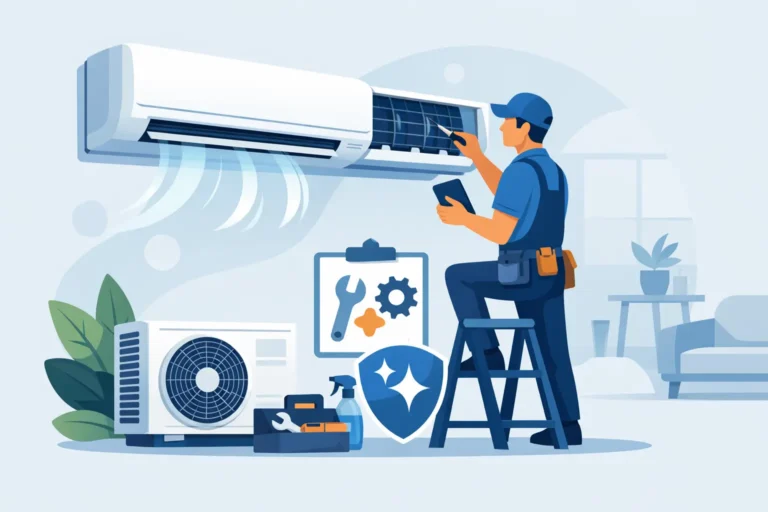

A mini-split that still blows cool air can look like it is doing just fine. But behind the wall-mounted indoor unit, a dirty filter, coated coil, or slow drain can quietly raise energy use and put extra strain on the system. So, do mini splits need maintenance? Yes. Regular care is one of the best ways to protect the comfort, efficiency, and lifespan of a ductless system.
Mini-splits are known for their quiet operation, room-by-room temperature control, and excellent efficiency. Those benefits make them a popular choice for homes throughout Orange County and the Inland Empire, especially for additions, garages, older homes without ductwork, and spaces with uneven temperatures. They are not maintenance-free, though. Like any air conditioning and heating equipment, they need basic homeowner attention and periodic professional service.
Why do mini splits need maintenance?
A ductless mini-split moves air directly through an indoor air handler instead of through a central duct system. That means its filter, blower wheel, evaporator coil, and condensate drain are all working in a compact space. As the unit runs, it collects dust, pet hair, pollen, cooking residue, and moisture from the air inside your home.
When buildup is left in place, airflow becomes restricted. The system may run longer to reach the temperature on the remote, use more electricity, and deliver less consistent comfort. In cooling mode, a dirty indoor coil can also hold moisture and contribute to musty odors or water leaks.
Maintenance is not just about avoiding a breakdown. It helps preserve the reasons you chose a mini-split in the first place: efficient operation, dependable heating and cooling, and cleaner indoor air. It can also help catch small concerns, such as a loose electrical connection or low refrigerant charge, before they become an inconvenient repair.
What homeowners should do between service visits
The most useful task is cleaning the washable filters in each indoor unit. In many Southern California homes, checking them once a month is a good habit. If you have shedding pets, live near construction, keep windows open often, or use the system daily, they may need attention more frequently.
Turn the unit off, lift the front panel as directed in the owner’s manual, and remove the filters. Most can be gently vacuumed or rinsed with lukewarm water. Let them dry completely before reinstalling them. Never operate the system without the filters in place.
While you are there, look for visible dust around the air outlet and make sure furniture, curtains, or shelving are not blocking the unit. Keep the remote’s settings practical as well. Repeatedly setting the temperature far below the outdoor temperature will not cool the room faster, but it can make the system run longer than necessary.
Outside, the condenser needs open space to release heat. Clear away leaves, grass clippings, and loose debris around the outdoor unit. Avoid stacking items against it or enclosing it tightly with decorative screening. A screened enclosure can work if it allows plenty of airflow and provides service access, but a cramped condenser will lose efficiency.
Homeowner cleaning is valuable, but it has limits. Do not spray chemical cleaners into the indoor unit, pry open internal components, or attempt to add refrigerant. Those tasks require the right tools, product knowledge, and a qualified HVAC technician.
What professional mini-split maintenance includes
A professional tune-up goes beyond wiping the cabinet and rinsing filters. The technician checks the parts homeowners cannot safely or easily inspect, including the electrical system, refrigerant circuit, coils, drain components, fan operation, and overall performance.
During a thorough service visit, the technician may clean the indoor coil and blower components, flush or clear the condensate drain, inspect the outdoor coil, verify proper temperature output, and look for signs of refrigerant leaks. They will also inspect wiring and connections, test system controls, and make sure the outdoor unit has adequate airflow.
Drain maintenance matters more than many homeowners realize. In cooling mode, the indoor unit removes humidity from the air. That moisture must travel safely through a drain line. If the line becomes clogged with dust or organic buildup, water can back up and drip from the wall-mounted unit. Catching that early can help prevent damage to drywall, flooring, or furnishings.
For heat pump mini-splits, seasonal testing is equally helpful. Even in Southern California, cool nights and winter cold snaps can reveal a heating issue that went unnoticed during summer. A system that is serviced before peak cooling and heating periods is less likely to surprise you when you need it most.
How often should a mini-split be serviced?
Most residential mini-splits should receive professional maintenance once a year. If the system provides both heating and cooling and runs nearly year-round, twice-yearly maintenance is often the better choice. A spring visit prepares the unit for cooling season, while a fall visit checks heating performance before colder weather arrives.
The right schedule can depend on how the unit is used. A single-zone mini-split in a guest room may have lighter needs than several units serving a whole home. Systems in rental properties, busy offices, restaurants, workshops, or homes with pets may need more frequent cleaning and inspection because they collect more contaminants and operate longer.
Property managers and commercial owners should also consider the cost of disruption. A neglected unit in a tenant space or customer-facing business can lead to emergency calls, comfort complaints, and avoidable downtime. Planned maintenance is usually easier to schedule and budget for than a last-minute repair.
Signs your mini-split needs attention now
Do not wait for the annual appointment if you notice a change in performance. A mini-split should run quietly, respond consistently to the thermostat setting, and drain water properly. A new problem is worth checking before it spreads.
Watch for these common warning signs:
- Weak airflow, uneven cooling, or rooms that take much longer to reach the set temperature
- Water dripping from the indoor unit or stains appearing on the wall below it
- Musty, sour, or burning odors when the system starts
- Ice on the indoor or outdoor equipment
- Unusual rattling, buzzing, grinding, or repeated error codes
- A noticeable increase in electric bills without a change in how you use the system
Some of these issues can come from a dirty filter or clogged drain. Others may point to a failing fan motor, electrical concern, refrigerant leak, or control issue. Continuing to run the system without diagnosing the cause can make a minor repair more expensive.
Does maintenance protect the warranty?
Many equipment warranties require the system to be installed correctly and maintained according to the manufacturer’s recommendations. Maintenance records can be helpful if a covered part fails and warranty service is needed. They also create a useful history of how the system has performed over time.
This does not mean every problem is caused by missed maintenance. Parts can fail unexpectedly, and outdoor equipment can be affected by weather, pests, or electrical surges. Still, a documented maintenance routine gives a technician a clearer picture of the system and helps reduce avoidable wear.
The cost of skipping mini-split maintenance
Skipping service can feel like a savings when the unit appears to be working. The trade-off is that dirt and minor defects tend to build slowly. By the time the system stops cooling, leaks water, or makes a loud noise, the repair may involve more than a simple cleaning.
Neglected maintenance can also affect indoor air quality. Dirty filters and coils do not automatically make a home unhealthy, but they can recirculate more dust and contribute to stale odors. For households with allergies, pets, or frequent dust buildup, keeping the system clean is a practical part of maintaining a more comfortable home.
A well-maintained mini-split will not run forever, and maintenance cannot correct an improperly sized or poorly installed system. It can, however, give your equipment its best chance to operate efficiently and reliably throughout its expected service life.
For homeowners and businesses that want clear answers and careful workmanship, Just Right Services can inspect, clean, and maintain ductless systems with the same attention given to whole-home HVAC equipment. A timely service visit can keep a small issue from becoming the reason one room in your home is suddenly the least comfortable place to be.