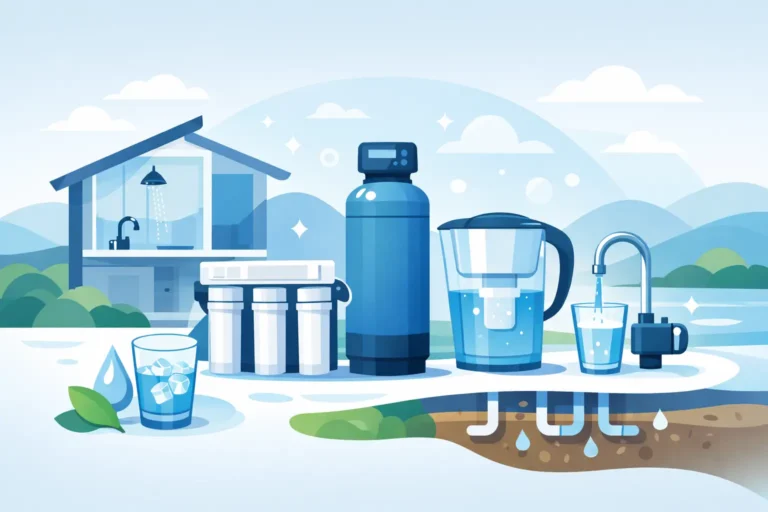

If your tap water smells like chlorine, leaves white scale on fixtures, or just never tastes quite right, you are not being picky. You are noticing the same issues that lead many Southern California homeowners to look for the best home water filtration systems – not the most expensive system, but the one that actually fits their water, their home, and their budget.
That distinction matters. Water treatment is not one-size-fits-all. A house in Irvine may be dealing mostly with taste and hardness, while an older property in Pomona or Ontario may also need to think about aging plumbing, sediment, or heavier mineral buildup. The right solution starts with what is in your water and what problems you want to solve.
What the best home water filtration systems actually do
When homeowners start shopping, they often compare products before they define the problem. That usually leads to confusion. A system that is excellent at improving taste may do very little for scale. A system that softens water may not address every drinking water concern. The best home water filtration systems are really the best systems for specific goals.
In most homes, those goals fall into a few categories. Some people want better-tasting water from the kitchen sink. Others want to reduce chlorine odor in showers and laundry. Many want to protect water heaters, dishwashers, pipes, and fixtures from hard water buildup. Some want a whole-home solution so every tap delivers cleaner water.
That is why it helps to think in terms of system type instead of brand hype.
Best home water filtration systems by type
Whole-house filtration systems
A whole-house filtration system treats water as it enters the home. This option is popular for families who want broad protection, especially against chlorine, sediment, and general water quality issues that affect bathing, cleaning, and appliances.
For many Southern California homes, this is the most practical place to start if the complaint is not just about drinking water. If your skin feels dry after showering, your laundry seems stiff, or your faucets show constant buildup, point-of-use filters will not solve the larger issue.
The trade-off is cost and installation complexity. Whole-house systems usually require professional sizing, plumbing modifications, and periodic media replacement. Still, for homeowners who want a cleaner-water experience throughout the home, they often deliver the best value over time.
Reverse osmosis systems
Reverse osmosis systems are usually installed at the kitchen sink and are designed for drinking and cooking water. They are known for producing very clean, crisp-tasting water by reducing a wide range of dissolved solids and contaminants.
If your main complaint is taste, odor, or the desire to avoid bottled water, reverse osmosis can be an excellent choice. It is especially useful when homeowners want a higher level of filtration for the water they actually consume.
The downside is that reverse osmosis is not a whole-home answer. It also creates some wastewater during the filtration process, and water flow can be slower than a standard faucet. For many families, though, that is a fair trade for better drinking water at a manageable cost.
Water softeners
Technically, a water softener is not the same as a standard filter, but it belongs in this conversation because hard water is one of the most common concerns in our region. If you see scale on shower doors, spots on dishes, or premature wear on water-using appliances, hard water may be the bigger issue.
A softener removes the minerals that cause scale, usually calcium and magnesium. That can help extend the life of plumbing fixtures, improve soap performance, and reduce stress on your water heater.
The important nuance is this: a water softener does not replace a drinking water filter. It solves hardness. It does not necessarily address taste, chlorine, or every other water quality concern. In many homes, the best setup is a softener paired with a filtration system.
Carbon filtration systems
Carbon filters are commonly used in both whole-house and under-sink systems. They are especially effective for chlorine taste and odor, which makes them a popular choice for municipal water supplies.
If your water is generally safe but unpleasant to drink or smell, carbon filtration may be exactly what you need. It is often simpler and more affordable than more advanced treatment options.
The limitation is that carbon filters are targeted. They are not built to solve every water issue. If your home also has hard water, sediment, or elevated dissolved solids, carbon alone may not be enough.
How to choose the right system for your home
The smartest way to choose is to start with the symptoms, then confirm them with water testing or a professional assessment. Buying a system based on a neighbor’s recommendation or a big-box label can work, but it can also leave you paying for the wrong solution.
Start by asking a few practical questions. Do you want cleaner water at one tap or every tap? Is the problem taste, odor, scale, staining, or all of the above? Are you trying to improve daily comfort, protect plumbing, or reduce bottled water use? Your answers will narrow the field quickly.
Home size also matters. A filtration system should be matched to your household’s water demand. A system that performs fine in a small condo may feel undersized in a larger family home with multiple bathrooms. Flow rate, capacity, and maintenance intervals all need to be realistic for the property.
Installation matters just as much. Even a high-quality system can underperform if it is installed incorrectly, sized poorly, or placed without considering pressure and plumbing layout. That is one reason many homeowners prefer working with an experienced plumbing team rather than treating this like an off-the-shelf purchase.
Common mistakes homeowners make
The biggest mistake is assuming all bad water experiences come from the same cause. Dry skin, scale, and cloudy dishes often point to hardness. A pool smell from the tap usually points to chlorine. Grit in water may suggest sediment. These are different problems and they call for different equipment.
Another common mistake is underestimating maintenance. Filters need replacement. Softeners need salt. Reverse osmosis systems need periodic service. The best home water filtration systems are not maintenance-free, but they should be manageable. A good system is one you can realistically keep up with.
Price can also be misleading. The cheapest system may not last, and the most expensive one may include features you do not need. A better approach is to look at total value: equipment quality, expected lifespan, service needs, and the level of improvement you will actually notice every day.
What works well in Southern California homes
In Orange County and the Inland Empire, hard water is a frequent complaint, and chlorine taste is common in municipal supplies. That means many homeowners benefit from a combination approach rather than a single product.
For example, a whole-house filtration system with carbon media can improve water quality throughout the home, while a water softener handles mineral hardness. Add a reverse osmosis system at the kitchen sink, and you have a setup that addresses comfort, appliance protection, and drinking water quality together.
That does not mean every home needs all three. A smaller household that mainly wants better drinking water may be perfectly happy with reverse osmosis alone. A family tired of scale damage and soap scum may get the biggest benefit from softening first. It depends on the home, the water, and the people using it.
A dependable plumbing company should walk you through those trade-offs clearly. Just Right Services works with homeowners across Orange County and the Inland Empire who want practical answers, not pressure. That means recommending a system based on your water conditions and household needs, not a generic sales script.
Is a home water filtration system worth it?
For many homeowners, yes – especially when water quality issues are affecting comfort, maintenance, or appliance performance. Better water can mean less scale buildup, better taste, softer laundry, easier cleaning, and less wear on plumbing fixtures. Those benefits add up.
Still, worth depends on expectations. If you expect one small filter to solve every water issue in the house, you will probably be disappointed. If you choose a system that matches your actual needs, the improvement is often easy to notice right away.
The best choice is usually the one that solves your biggest problem first. Start there. If your water tastes bad, focus on drinking water treatment. If your plumbing and fixtures are taking a beating from mineral buildup, address hardness. Once you know what your water is doing, the right system becomes much easier to see.
Clean, reliable water should feel like part of a comfortable home, not another daily frustration. When your filtration system is properly matched to your water and installed the right way, you notice it in the small things every day – better coffee, cleaner glassware, fewer spots, and one less thing to worry about.