
A water heater usually gets attention only when the shower turns cold or a tank starts leaking. But if your current unit is nearing the end of its life, choosing the replacement before it becomes an emergency can save you from a rushed decision. This heat pump water heater review looks at what Southern California homeowners can realistically expect: lower operating costs, a few installation requirements, and situations where a standard gas or electric unit may still make more sense.
What a Heat Pump Water Heater Actually Does
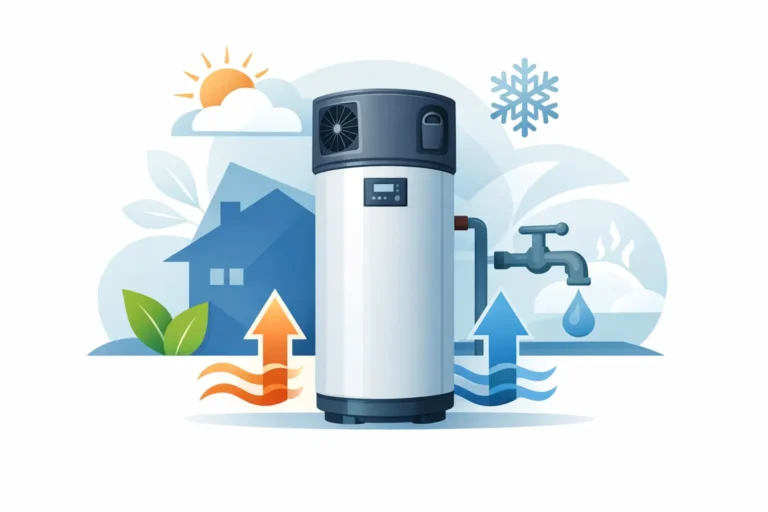
Despite the name, a heat pump water heater does not create heat the same way a conventional electric tank does. Instead, it pulls warmth from the surrounding air and transfers it into the water tank. Think of it as an air conditioner working in reverse for your hot water supply.
Because it moves heat rather than generating all of it with electric resistance elements, it can use far less electricity than a traditional electric water heater. Most models also include electric elements for backup. That backup is useful during periods of unusually high hot water demand, although it reduces the efficiency advantage when it runs frequently.
For many homes in Orange County and the Inland Empire, the local climate is a real benefit. A garage, utility room, or other area that stays relatively warm through the year gives the system a favorable environment to operate efficiently.
Heat Pump Water Heater Review: The Benefits
The biggest reason homeowners consider this upgrade is operating cost. A heat pump model can substantially reduce the electricity used for water heating compared with a standard electric tank. Actual savings depend on your household size, hot water habits, electric rate, model, and the mode you select, but the difference can be meaningful over the life of the equipment.
It also offers an energy-conscious alternative for homes that are all-electric or moving away from gas appliances. For property owners planning larger improvements, such as solar, electrical upgrades, or HVAC replacement, a heat pump water heater can fit well into a long-term efficiency plan.
There is another small but noticeable effect: the unit releases cooler, drier air into the space around it. In a hot garage, that may be welcome. In a small interior closet during winter, it may not be. This is why placement should be considered as carefully as efficiency ratings.
Modern units usually offer several operating modes. Efficiency-focused modes prioritize the heat pump. Hybrid modes use the heat pump most of the time and bring in electric elements when demand spikes. High-demand modes can recover hot water more quickly but cost more to operate. The right setting depends on how many people live in the home and when they use hot water.
The Trade-Offs to Know Before You Buy
A heat pump water heater is not a drop-in replacement for every tank. It needs enough air around it to draw heat effectively, and manufacturers set specific clearance and room-volume requirements. Garages and larger utility spaces are often good candidates. Tight closets, conditioned living areas, and locations with poor drainage require a closer look.
Noise is another practical consideration. The fan and compressor create a steady sound similar to a refrigerator, air handler, or portable dehumidifier. It is generally manageable in a garage, but it can be disruptive beside a bedroom, home office, or quiet living space. Ask your installer where the sound will be most noticeable, not just whether the unit is considered quiet.
Installation can be more involved than replacing a conventional gas tank. Depending on the home, the project may require a dedicated electrical circuit, a condensate drain or pump, revised water connections, an expansion tank, or changes to meet local code. If you are replacing a gas water heater, the gas line and vent may no longer be needed, but the electrical work becomes especially important.
Upfront cost is typically higher than a basic electric or gas storage tank. Available utility incentives, manufacturer promotions, tax credits, and financing can change the equation, but programs and eligibility rules change. A clear estimate should separate equipment, labor, electrical work, permits, accessories, and any available incentives so there are no surprises.
Will It Keep Up With Your Household?
The answer depends less on the number of bathrooms and more on your busiest hour. A household that runs two showers, a dishwasher, and a load of laundry at the same time needs a different solution than a couple with staggered schedules.
Tank capacity matters, but so does the unit’s first-hour rating, which estimates how much hot water it can deliver during a high-use hour. A larger tank or a model with a strong hybrid recovery rate may be the better fit for a busy family. Selecting an undersized high-efficiency unit can lead to frustration, frequent backup-element operation, and lower-than-expected savings.
A professional evaluation should include your current tank size, household occupancy, peak-use routines, installation location, electrical panel capacity, and whether you have a recirculation system. For landlords and property managers, it should also account for tenant expectations and the practical need to avoid repeat service calls.
Heat Pump vs. Gas Water Heaters in Southern California
For homes with an existing natural gas water heater, the decision is more nuanced. Modern gas tanks often have a lower initial cost and can recover hot water quickly. They may be a practical choice when the home has limited electrical capacity, a constrained installation space, or a need for straightforward replacement during an urgent failure.
A heat pump water heater may be more attractive when you want to reduce electric consumption compared with a standard electric tank, when the installation area is well suited to the equipment, or when you are planning to electrify other parts of the home. It can also avoid combustion concerns and the need for gas venting at the water heater location.
Neither option is automatically right for every home. The best choice comes from evaluating the installation, your utility costs, household demand, and how long you expect to own the property. The lowest purchase price is not always the lowest cost over time, but projected savings should be weighed against the added installation expense.
Questions to Ask Before Scheduling Installation
Before approving a replacement, ask whether the proposed model has the capacity and first-hour rating for your household. Confirm where condensate will drain, whether the electrical panel can support the unit, and what operating mode the technician recommends for your typical water use.
It is also worth asking about maintenance. Heat pump water heaters are still tank water heaters, so periodic flushing can help manage sediment, especially in areas with hard water. The air filter should be kept clean, and the condensate system should be checked. A qualified technician can explain the maintenance schedule for the specific model and make sure the installation remains safe and code-compliant.
If your current water heater is leaking, do not wait for the tank to fail completely. A prompt inspection can help you compare options without being forced into a same-day choice. Just Right Services can evaluate your water heating needs, explain the installation requirements in plain language, and help you choose equipment that is truly just right for your home.
A heat pump water heater is often a smart, efficient upgrade when the space, electrical setup, and household demand line up. Start with a careful assessment of your home, then choose the system that will provide dependable hot water long after the installation day.