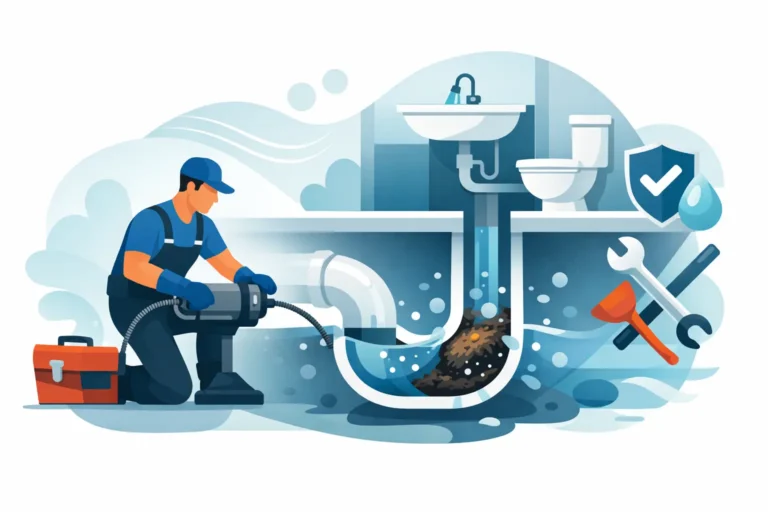

A backed-up main drain usually announces itself at the worst possible moment – the downstairs toilet gurgles, the shower starts filling with murky water, and suddenly you are searching for how to unclog main drain lines before the problem spreads through the house. When multiple fixtures act up at once, you are usually not dealing with a simple sink clog. You are dealing with the drain line that carries wastewater away from your home.
That distinction matters. A local clog affects one fixture. A main drain blockage can affect every drain connected to the system, which is why the symptoms feel bigger, messier, and more urgent. If you catch it early, there are a few safe steps you can take. If the line is fully blocked or sewage is coming back inside, it is time to stop troubleshooting and get professional help fast.
How to unclog main drain without making it worse
The first rule is simple: do not keep running water to “test” the problem. That often turns a slow-drain issue into a full backup. If you suspect a main line clog, stop using sinks, showers, dishwashers, and washing machines until you know what is happening.
Skip chemical drain cleaners, too. They are rarely strong enough to clear a main drain blockage, and they can create other problems. Harsh chemicals can damage older pipes, leave dangerous residue in standing water, and make the job more hazardous for anyone working on the line afterward. A clogged main drain is usually a mechanical problem, not a chemical one.
Start by looking for patterns. If one shower is slow but everything else seems normal, the clog may be isolated. If the lowest drains in the building back up first, toilets gurgle when another fixture is used, or several drains are slow at the same time, that points to the main line.
Signs your main drain is clogged
Homeowners and property managers often miss the early warnings because they seem unrelated. In reality, the plumbing system is giving you a pretty clear message.
A main drain clog often shows up as sewage or dirty water backing up in a tub or floor drain, especially on the lowest level of the property. You may hear bubbling or gurgling from a toilet after running a sink. Flushing one toilet may affect another fixture nearby. In some cases, there is a strong sewer odor around drains, cleanouts, or outside near the yard.
If you are in an older home in Orange County or the Inland Empire, tree roots are a common cause. In newer systems, grease buildup, wipes, paper products, and scale inside the line can still create a serious blockage. Commercial properties may also deal with heavy soap, food waste, or high-traffic restroom use that strains the drain system over time.
Safe first steps before you try to clear it
Before doing anything else, put on gloves and old clothes. If wastewater is backing up, treat it like contaminated water. Keep children and pets away from the area.
Next, locate your main sewer cleanout. In many homes, it is a capped pipe found outside near the foundation, in the yard, or occasionally in a garage or utility area. If you are not sure where it is, do not force open random caps or fittings. Opening the wrong point can create a mess fast.
If you do find the cleanout, loosen the cap slowly, not all at once. If the line is under pressure, backed-up wastewater may spill out immediately. Standing to the side gives you some protection. If sewage rushes out with force, tighten things back up if you can do so safely and call a plumber. That level of backup usually needs professional drain equipment.
How to unclog main drain lines with a drain snake
If the backup seems moderate and you have safe access to the cleanout, a heavy-duty drain auger or sewer snake may help. This is not the small hand snake used for bathroom sinks. Main lines require larger cable machines designed to reach deeper into the pipe.
Feed the cable into the cleanout slowly. You want steady pressure, not brute force. If you hit resistance, work the cable carefully to break through or grab the blockage. Pulling the cable back too quickly can make the mess worse, and forcing it can damage the pipe or cause the cable to bind.
This is where a lot of do-it-yourself attempts go sideways. A soft blockage such as paper buildup may break apart. A tougher obstruction like roots or hardened grease may only partially clear. If the line opens and then clogs again soon after, the issue was probably not fully removed. That is a common sign that snaking alone is not enough.
After snaking, run a small amount of water first, not every fixture at once. Watch how the system responds. If drainage improves normally, that is a good sign. If water still backs up, drains slowly, or causes gurgling, stop there.
When a plunger will not help
People often reach for a plunger first, and that makes sense for a toilet or single fixture clog. But for a main drain problem, a plunger usually does very little. At best, it may move water inside one section of pipe. At worst, it creates more splashing and confusion without clearing the real blockage.
The same goes for taking apart sink traps when several fixtures are involved. If the kitchen sink, tub, and toilet are all showing symptoms, the problem is farther down the system. Focusing on one fixture wastes time while the backup risk grows.
Why main line clogs keep coming back
Some drain blockages are one-time events. Others are symptoms of a bigger pipe condition. This is where experience matters.
If roots have entered the sewer line, they will keep catching debris until they are professionally removed and the pipe is repaired or maintained. If grease has coated the interior walls of the drain, a small opening can form temporarily after snaking, but buildup remains. If the pipe has shifted, cracked, or bellied underground, recurring backups are likely until the structural issue is addressed.
That is why hydro jetting or a camera inspection is often the more complete answer. Snaking opens a path. A camera shows what is actually inside the line. Hydro jetting scrubs the pipe walls more thoroughly when the pipe condition allows it. The right solution depends on the cause, the age of the plumbing, and the material of the line.
When to call a professional plumber
If sewage is coming up into your home or commercial space, do not wait. The same goes for repeated backups, strong sewer odors, or any clog that affects multiple fixtures after basic troubleshooting. These are not signs to “give it another try” with chemicals or improvised tools.
A licensed plumber can identify whether the issue is roots, grease, a collapsed line, a venting problem, or a city-side concern. That matters because the fix changes depending on the source. For example, if the blockage is in the private sewer lateral, it is usually the property owner’s responsibility. If it is beyond that point, the city or utility may need to get involved.
For homes and properties in Southern California, quick response matters. Main drain backups can damage flooring, drywall, baseboards, and anything stored in a lower bathroom, garage conversion, or utility space. The longer wastewater sits, the bigger the cleanup bill tends to get.
How to reduce the chance of another clog
Once the line is flowing again, prevention becomes the real money-saver. Avoid flushing wipes, paper towels, hygiene products, and anything labeled “flushable.” Those products cause far more main line problems than most people realize.
In kitchens, keep grease and oil out of the drain. Even hot grease cools and sticks farther down the line. Use drain strainers where they make sense, and be mindful of food scraps even if you have a garbage disposal.
If your property has mature trees near the sewer path, periodic inspections may be worth it. Older homes especially benefit from a camera check when there is a history of slow drains or repeat clogs. A little planning is far easier than dealing with a full backup during a busy week.
For homeowners, landlords, and business owners who want a dependable fix instead of a temporary patch, Just Right Services takes the same practical approach we would want in our own homes – clear communication, honest recommendations, and solutions that match the actual condition of the drain line.
If your drains are starting to talk back, listen early. The best time to deal with a main drain clog is before wastewater makes the decision for you.