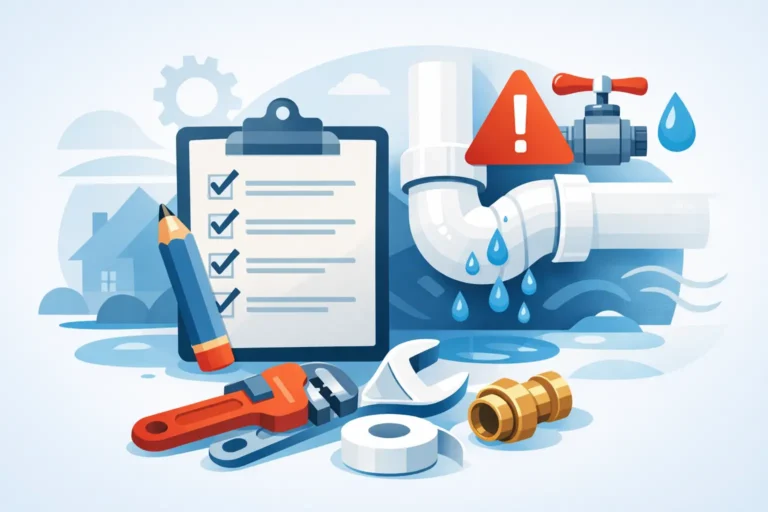

A pipe bursts at 2 a.m., the toilet starts overflowing before guests arrive, or a water heater suddenly leaks into the garage. In those moments, an emergency plumbing repair checklist helps you stay calm, protect your property, and make better decisions fast. The goal is not to fix every problem yourself. The goal is to stop damage, stay safe, and know when it is time to bring in a licensed professional.
What counts as a plumbing emergency?
Not every plumbing problem is an emergency, but some issues can damage flooring, walls, cabinets, inventory, or electrical systems within minutes. A burst pipe, sewage backup, major slab leak, overflowing toilet that will not stop, or a water heater leaking heavily all qualify. So does any plumbing issue that creates a health risk or leaves your home or business without safe water service.
Other situations are more situational. A single clogged sink may be inconvenient, but if it is the only functioning sink in a commercial space or it is backing up with wastewater, the urgency changes. A small drip under a faucet may wait until morning, while a steady leak under a kitchen sink can ruin cabinetry overnight. It depends on the amount of water, the location, and what the leak can reach.
Emergency plumbing repair checklist: what to do first
Start with safety. If water is near outlets, appliances, or your electrical panel, do not step into standing water to investigate. Shut off power to the affected area only if you can do so safely from a dry location. If there is any doubt, leave that part alone and call for help.
Next, stop the water flow if you can. For many emergencies, the fastest move is shutting off the nearest fixture valve. Toilets usually have a shutoff at the wall. Sinks have shutoff valves below the basin. If the leak is coming from a supply line, fixture, or appliance and the local valve works, that may be enough to contain the problem.
If a fixture valve does not stop the leak, turn off the main water supply. Every homeowner, landlord, and property manager should know where that valve is before an emergency happens. In many Southern California properties, it is near the perimeter of the home, in a garage, utility area, or meter location. Turn it fully until the water stops.
Once the water is off, reduce pressure in the system by opening a cold water faucet at the lowest practical point in the building. This helps drain remaining water from the lines and can limit further leaking.
Then protect the area. Move rugs, boxes, electronics, paper records, and furniture away from the leak path. Use towels, buckets, pans, or a wet vacuum if you have one. If water is spreading across finished flooring, act quickly. Hardwood, laminate, drywall, and baseboards can absorb water fast and become much more expensive to repair than the original plumbing issue.
Know which shutoff to use
One reason plumbing emergencies get worse is confusion about shutoff points. The right valve depends on the problem.
If a toilet is overflowing, close the toilet shutoff valve first. If that does not work and the bowl keeps rising, remove the tank lid and lift the float to stop refill while someone turns off the valve or main supply.
If a sink supply line bursts, use the hot and cold shutoffs under the sink. If a washing machine hose fails, shut off the laundry valves. If the water heater is leaking from a connection line, shut off the cold water supply to the heater. If the tank itself is leaking from the body, turn off both the water supply and the power source or gas, then call for service.
If you cannot identify the source quickly, skip the guessing and go straight to the main shutoff. That is often the cleanest way to limit damage.
What not to do during a plumbing emergency
A calm response matters, but so does avoiding the wrong fix. Chemical drain cleaners are a common mistake. They rarely solve serious emergency clogs, and they can damage pipes or create a hazard for whoever has to work on the drain next.
Do not ignore slow but steady leaks because they seem manageable. Water often travels behind walls, under flooring, and into insulation before you see the full impact. By the time staining appears, the damage may already be significant.
Avoid taking apart plumbing components if you are not sure how they go back together. A loose trap under a sink is one thing. Disassembling supply lines, toilet parts, or water heater fittings during a crisis can make a contained problem much worse.
And do not keep running water to test a backup, clog, or overflow. One extra flush or one more dishwasher cycle can turn a limited issue into a major cleanup.
A room-by-room emergency plumbing repair checklist
Kitchen
In the kitchen, look first under the sink, around the dishwasher, and behind the refrigerator if it has a water line. Shut off the nearest supply valve if possible. If the garbage disposal is involved, cut power before checking anything around it. Water under kitchen cabinets can spread farther than you think, especially on slab floors where it runs toward adjoining rooms.
Bathroom
For bathroom emergencies, toilets and supply lines are common trouble spots. Shut off the toilet valve, stop flushing, and use towels to keep water from reaching hall flooring or adjacent rooms. If a tub or shower is backing up with dark water, that can point to a larger drain or sewer issue rather than a local clog.
Laundry room
Washing machine hose failures release a surprising amount of water in a short time. Turn off the laundry supply valves immediately. If the leak happened during a cycle, do not restart the appliance until the source is confirmed. Sometimes the hose is the issue. Sometimes it is the drain standpipe or a blocked drain line.
Water heater area
A leaking water heater needs a quick assessment. A minor drip from a connection may be repairable. A leaking tank usually means replacement is near. Shut off the cold water supply. For electric heaters, turn off the breaker. For gas models, set the control to off if the manufacturer instructions allow and do not attempt extra troubleshooting if you smell gas.
Commercial restrooms or tenant spaces
For property managers and business owners, isolate the area as soon as possible. Shut off the affected fixture or branch line, place signage if needed, and keep customers or tenants away from wet flooring. Documentation matters here. Take clear photos, note time of discovery, and track what was shut off before service arrives.
When to call a plumber right away
Call immediately for burst pipes, sewage smells or backups, no water service, recurring drain overflows, leaks inside walls or ceilings, water heater tank leaks, or any leak you cannot isolate. The same goes for slab leak signs such as unexplained warm spots on floors, a sudden rise in water bills, or hearing running water when fixtures are off.
This is where experience matters. Emergency plumbing is not only about stopping water. It is about finding the true source, checking for related damage, and fixing the problem without cutting corners. In Orange County and the Inland Empire, response time and clear communication matter just as much as technical skill. That is one reason many local property owners keep a trusted service company like Just Right Services in mind before an emergency happens.
What to have ready before help arrives
A few details can speed up diagnosis and repair. Be ready to explain where the leak started, whether water has been shut off, what fixtures were in use at the time, and whether the issue has happened before. If you know the age of the water heater, plumbing lines, or recent repair history, that helps too.
Photos are useful, especially if the leak changes or temporarily stops. For commercial properties or rentals, it also helps to note which units, restrooms, or common areas are affected. The more precise the information, the faster the repair can move from emergency control to a lasting fix.
How to prepare before the next emergency
The best emergency plumbing repair checklist starts before anything goes wrong. Make sure everyone responsible for the property knows where the main shutoff is. Label fixture shutoffs where possible. Replace old washing machine hoses before they fail. Pay attention to small warning signs like rust around water heater fittings, toilets that do not stop running, recurring drain slowdowns, or water stains that appear without a clear cause.
If you manage multiple units or commercial spaces, create a simple site sheet with shutoff locations, equipment ages, and emergency contacts. That small step can save valuable time when water is spreading and tenants are waiting for answers.
Plumbing emergencies are stressful, but they are easier to handle when you have a plan. A quick shutoff, a safe response, and the right professional help can turn a major disruption into a controlled repair. Keep this checklist practical, keep it accessible, and give yourself one less thing to figure out when every minute counts.