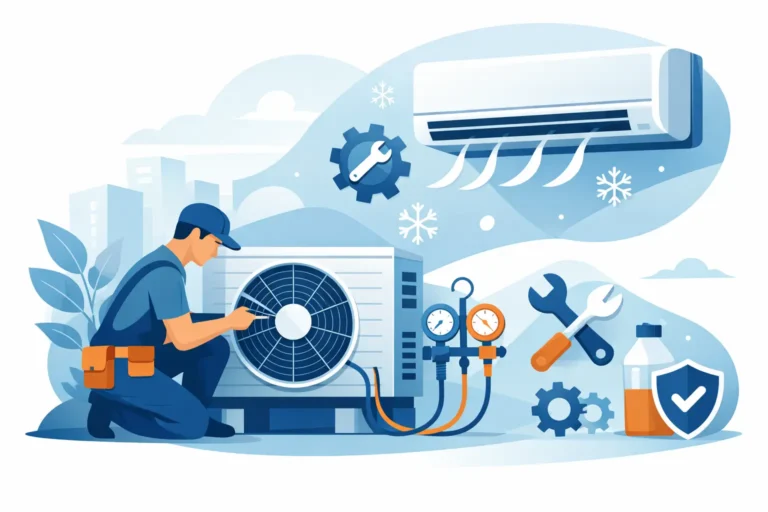

That AC unit usually does not pick the worst possible day to act up by accident. In Southern California, heavy use, dust, aging parts, and missed tune-ups all add up over time. Air conditioning repair and maintenance is what keeps a small issue from turning into a hot, expensive emergency when your home or business needs cooling most.
For homeowners in Orange County and the Inland Empire, the real question is not whether your system will need service. It is when, how often, and whether you catch the warning signs early enough to avoid a bigger repair. For property managers and commercial clients, the stakes are even higher. One unreliable system can mean tenant complaints, comfort issues, rising utility costs, and unexpected downtime.
Why air conditioning repair and maintenance matter
A lot of AC problems start quietly. Airflow drops a little. The house takes longer to cool. The thermostat setting keeps getting pushed lower, but the comfort level does not improve. Many people live with those symptoms for weeks or months, assuming the system is just getting older. Sometimes that is true, but more often the issue is a service problem that can be corrected before serious damage sets in.
Routine maintenance protects performance. Repair work restores it when something fails. Those are connected services, not separate ideas. A neglected system runs longer to do the same job, which increases wear on components like capacitors, contactors, blower motors, and compressors. The longer that strain continues, the more likely a minor fix turns into a major one.
There is also an efficiency side to this. A well-maintained air conditioner generally cools faster, cycles more normally, and uses less energy than one struggling with dirty coils, low refrigerant, or restricted airflow. That does not mean maintenance can make an old system new again. It can, however, help you get the best realistic performance from the equipment you have.
Common signs your AC needs repair
An AC system rarely fails without giving some notice. The problem is that the signs are easy to dismiss if the unit is still running.
Warm air from the vents is one of the clearest red flags, but it is not the only one. Short cycling, weak airflow, unusual smells, water around the indoor unit, buzzing sounds, rattling, and sudden spikes in your electric bill can all point to trouble. If certain rooms stay hot while others cool normally, that may indicate duct issues, airflow restrictions, thermostat trouble, or an equipment problem that needs a closer look.
What those symptoms can mean
Weak airflow might come from a clogged filter, a dirty evaporator coil, leaking ductwork, or a failing blower component. Warm air could mean low refrigerant, a compressor issue, or something as simple as a thermostat setting error. Water leaks may be tied to a clogged condensate drain line, while unusual noises often point to loose parts, motor issues, or electrical components that are close to failure.
This is where experience matters. Two systems can show the same symptom but need completely different repairs. A good diagnosis saves time, avoids guesswork, and helps you make a smart decision about whether to repair, maintain, or start planning for replacement.
What professional AC maintenance should include
A real maintenance visit should do more than check a box. It should give you a clearer picture of how your system is operating and whether any parts are wearing out.
In most cases, professional maintenance includes inspecting electrical connections, checking refrigerant levels, cleaning coils when needed, testing system controls, evaluating airflow, clearing the condensate drain, inspecting blower components, examining the thermostat, and replacing or recommending filter changes. The technician should also look for signs of uneven wear, corrosion, vibration, and safety concerns.
That matters because maintenance is not just cleaning. It is preventive service. The goal is to spot problems while they are still manageable.
Why timing makes a difference
The best time for service is before peak cooling season, not after your system is already under strain. Spring is ideal for many properties, but systems that run hard, serve larger homes, or operate in commercial settings may benefit from more frequent checks. It depends on usage, equipment age, building conditions, and indoor air quality factors like dust, pets, and filter habits.
Older units usually need a closer eye. That does not always mean they should be replaced right away. It does mean skipped maintenance becomes riskier and more expensive.
Repair or replace? It depends on the system
This is one of the most common questions, and there is no honest one-size-fits-all answer. Sometimes a straightforward repair is clearly the right call. Other times, putting more money into an aging system only delays the inevitable.
If your AC is relatively new, has a solid service history, and the repair is limited to a single failed component, repair often makes sense. If the unit is older, has recurring issues, struggles to cool evenly, and is driving up utility costs, replacement may be the better long-term value.
Cost matters, but so does reliability. A lower repair bill is not always the cheaper option if the system keeps breaking down. On the other hand, replacing equipment too early can also be unnecessary. The right recommendation should account for age, condition, repair frequency, energy performance, and how long you plan to stay in the property.
Air conditioning repair and maintenance for homes and businesses
Residential and commercial cooling needs are not exactly the same, even if the comfort goal is similar. Homeowners usually focus on daily comfort, energy bills, and protecting the life of their system. Property managers need dependable performance across multiple units, faster turnaround, and clear communication they can act on. Commercial clients often need service that minimizes disruption while keeping employees, customers, and tenants comfortable.
That is why consistent service matters. Whether you manage one home in Irvine, a rental property in Mission Viejo, or a commercial building in Pomona, delayed AC service tends to create bigger operational problems. Small comfort issues become complaints. Minor mechanical issues become urgent calls. Preventive maintenance helps reduce that cycle.
For many customers, working with one provider for diagnostics, repair, maintenance, and future replacement planning also simplifies things. You get continuity, better records, and a technician who understands the equipment history instead of starting from scratch every time.
How to get more life from your AC system
Some of the best ways to avoid major repairs are simple and practical. Change filters on schedule. Keep the outdoor unit clear of debris and overgrowth. Pay attention to airflow changes and new noises. Do not ignore a thermostat that suddenly seems off or a system that starts running much longer than usual.
Just as important, schedule professional maintenance before the hottest stretch of the year. AC systems can often keep limping along for a while, which makes it tempting to wait. The trouble is that delayed service usually shows up at the worst time, when parts are stressed, demand is high, and comfort cannot wait.
At Just Right Services, that customer-first approach matters because people are not calling about equipment alone. They are calling about sleeping comfortably, keeping tenants satisfied, protecting a business, and avoiding unnecessary costs. Honest recommendations, skilled diagnostics, and dependable follow-through make a real difference when your cooling system is on the line.
If your system is cooling unevenly, running nonstop, or simply not keeping up the way it used to, do not assume it is normal wear and tear. A careful inspection now can save you money, stress, and a much hotter day later.