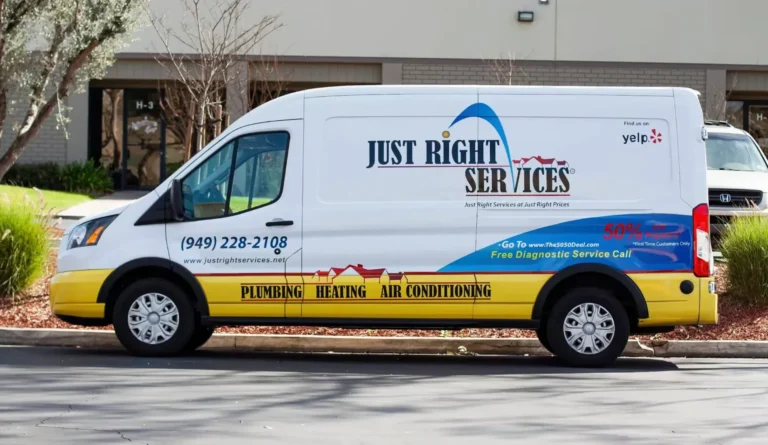

Understanding Your HVAC System’s Warning Signs
Your heating and cooling system communicates through subtle changes that signal potential problems before they become emergencies. Learning to recognize unusual sounds from your furnace or air conditioner can save thousands in emergency repair costs. A healthy HVAC system operates with minimal noise, typically producing only the gentle whoosh of air movement and the quiet hum of the motor. When you hear banging, squealing, or grinding sounds, these indicate specific mechanical issues that require attention. Banging often suggests loose components or ignition problems in furnaces, while squealing usually points to belt issues or bearing problems in older systems. Grinding sounds almost always indicate serious motor problems that, if ignored, lead to complete system failure.
Temperature inconsistencies throughout your home provide another critical indicator of HVAC health. When certain rooms feel significantly warmer or cooler than others, this suggests problems with ductwork, inadequate insulation, or an aging system struggling to maintain consistent performance. At Just Right Services, we’ve observed that homeowners who monitor these temperature variations catch problems early, avoiding the peak summer emergency calls when AC systems fail completely. Regular filter changes represent the simplest yet most impactful maintenance task you can perform. A clogged filter forces your system to work harder, increasing energy consumption by up to thirty percent while simultaneously reducing equipment lifespan.
Mastering Basic Plumbing Diagnostics
Water pressure fluctuations often precede major plumbing failures, making pressure monitoring an essential skill for homeowners across Orange County. Normal residential water pressure ranges between forty and sixty pounds per square inch, and deviations from this range indicate developing problems. High pressure stresses pipes, joints, and fixtures, leading to premature failure and potentially catastrophic water damage. Low pressure suggests blockages, leaks, or municipal supply issues that require investigation. Installing an inexpensive pressure gauge on an outdoor spigot allows you to check pressure monthly, identifying trends before they become emergencies.
Drain behavior provides valuable insights into your plumbing system’s health. Slow drainage in multiple fixtures simultaneously indicates main line problems rather than isolated clogs. Gurgling sounds from drains when other fixtures operate suggest venting issues that, left unaddressed, create dangerous sewer gas problems and accelerate pipe corrosion. Understanding how your home’s plumbing vents work helps you recognize when professional intervention becomes necessary. These vertical pipes extending through your roof maintain proper drainage flow and prevent sewer gases from entering living spaces.
Preventive Maintenance Schedules That Work
Creating and following a maintenance schedule transforms reactive emergency responses into proactive system care. Monthly tasks should include:
- Check and replace HVAC filters: Mark calendar reminders for filter inspection, replacing standard filters monthly during heavy use seasons
- Test water heater pressure relief valves: Lift the valve lever quarterly to ensure proper operation and prevent dangerous pressure buildup
- Clear AC condensate drain lines: Pour a cup of white vinegar through the line monthly during cooling season to prevent algae growth and overflow
- Inspect visible plumbing for leaks: Check under sinks, around toilets, and near water heaters for moisture or mineral deposits indicating slow leaks
Seasonal maintenance extends system life significantly. Before summer heat arrives in areas like Mission Viejo and Laguna Beach, clean outdoor AC unit coils with gentle water spray, removing debris that reduces efficiency. Winter preparation includes insulating exposed pipes, checking furnace operation before cold weather arrives, and ensuring carbon monoxide detectors function properly. Stay comfortable in your home or commercial property with the help of Just Right Services, as our technicians emphasize that consistent maintenance prevents ninety percent of emergency service calls.
Emergency Preparedness and Response
Knowing your home’s shut-off valve locations prevents minor issues from becoming major disasters. Main water shut-offs typically locate near the front property line or where the main line enters the home. Individual fixture shut-offs hide under sinks and behind toilets, allowing isolated repairs without disrupting entire household water supply. Gas shut-offs require special tools kept accessible but away from the meter itself. During our two decades of experience serving all of Orange County and the surrounding areas, we’ve seen properly executed emergency shut-offs prevent tens of thousands in water damage.
Understanding when DIY efforts become dangerous protects both your safety and your wallet. Electrical components within HVAC systems, gas line work, and main sewer line repairs always require professional expertise. Attempting these repairs without proper training risks injury, property damage, and insurance claim denial. Our technicians will always listen to you and take into consideration your specific needs, budget, and preferences, helping you understand which maintenance tasks you can safely handle yourself and which require professional intervention. We will never let you spend a penny on services or products you don’t need or are not comfortable with, ensuring that when you work with our team, you remain in charge of your home or place of business while making informed decisions about system maintenance and repair needs.